Emergency Dentist Bakersfield CA: Tips for Handling Dental Emergencies Calmly
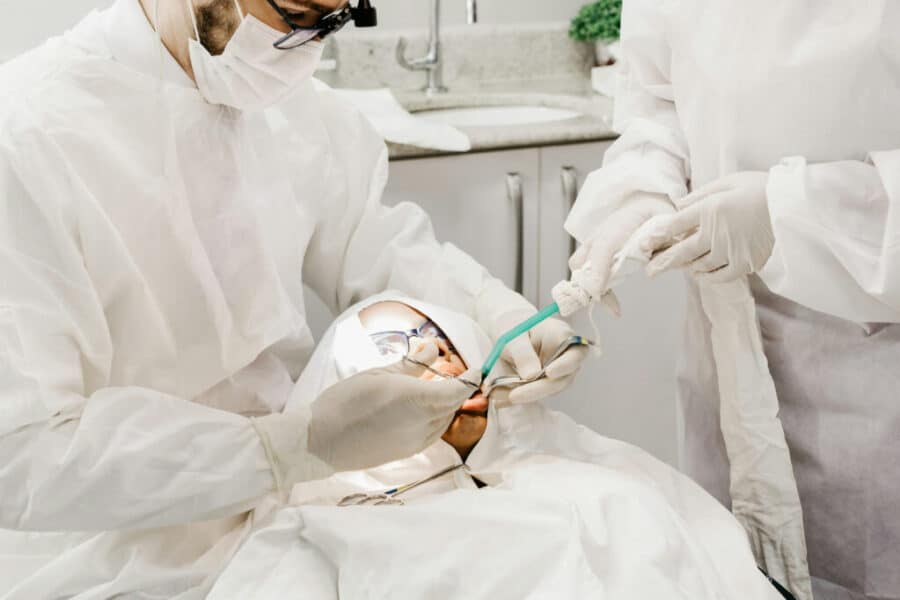
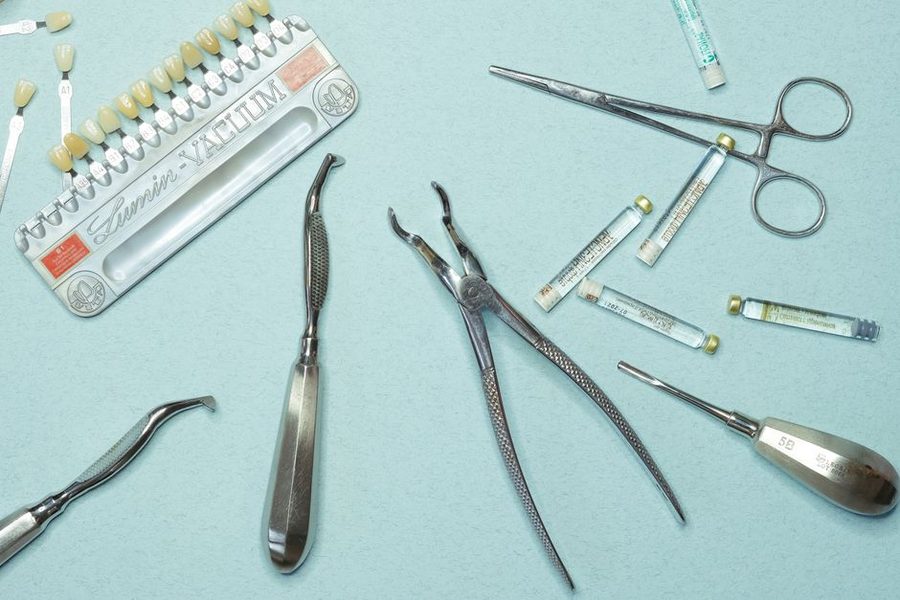
A dental emergency has a way of shrinking your world fast. One minute you are eating lunch, driving home on Highway 99, or getting a child ready for school. The next, you are dealing with sharp pain, bleeding, a broken tooth, or a swelling that seems to grow by the hour. In those moments, panic is common, but it rarely helps. Calm, informed action usually makes the difference between a manageable problem and a much more complicated one.
Anyone searching for an Emergency Dentist Bakersfield CA is usually not doing casual research. They need help now, or they are trying to understand whether a situation can wait until morning. That urgency is real. So is the confusion. Some dental problems feel dramatic but are not especially dangerous. Others start quietly and can become serious if ignored.
The most useful thing you can do in a dental emergency is slow down enough to assess what is happening, protect the injured area, and get to the right level of care without delay. Bakersfield residents face the same kinds of emergencies seen anywhere else, but local realities matter too. Heat, sports injuries, agricultural and industrial work, and busy family schedules all contribute to how and when people seek treatment. I have seen more than a few cases where a person tried to “wait it out” through a work shift, only to arrive later with pain that had gone from irritating to unbearable.
What counts as a true dental emergency
Not every dental problem is an emergency, but many deserve same day attention. The distinction matters because timing affects outcomes. A chipped tooth with no pain may be frustrating, but it is often less urgent than a deep toothache that keeps you awake or facial swelling that is spreading.
The clearest dental emergencies usually involve one or more of the following: severe pain, uncontrolled bleeding, visible infection, trauma to the teeth or jaw, or a permanent tooth that has been knocked out. A lost filling or broken crown may not sound dramatic, but if exposed tooth structure is causing intense sensitivity or pain, that can become urgent too.
There is also a practical layer to this. Pain that prevents eating, sleeping, or concentrating is not minor, even if the cause turns out to be treatable. A cracked molar can start as occasional sensitivity and then split enough to expose the nerve. An abscess can begin as pressure in the gums and develop into facial swelling and fever. Dental emergencies are not always loud at the beginning.
The first job is staying calm enough to think clearly
People often underestimate how much adrenaline changes decision making. When your mouth hurts, every second feels longer. Parents become frightened seeing blood in a child’s mouth. Adults who are usually steady can become flustered if a front tooth breaks before work or before an important event. That reaction is understandable, but your first goal is not to solve everything immediately. It is to create enough calm to protect the area and make smart next steps.
Start by sitting down, taking a few slow breaths, and looking carefully at what is happening. Is there active bleeding? Is the tooth still in place? Is the pain sharp, throbbing, or triggered by cold air? Is there swelling inside the mouth, along the jaw, or under the eye? These details help both you and the dental office understand urgency.
It also helps to remember that mouths bleed more than people expect. A small cut on the gums or lips can look alarming because saliva spreads blood quickly. That does not mean you should ignore it, but it does mean you should apply pressure and reassess before assuming the worst.
The situations that should move you quickly
Some symptoms deserve immediate attention from an emergency dental office, and a few require an emergency room first. A knocked out permanent tooth is one of the most time sensitive examples. The sooner it is handled properly, the better the chance the tooth can be saved. Significant swelling is another red flag, especially if it is affecting your ability to swallow, breathe, or fully open your mouth.
A broken tooth can range from cosmetic to urgent. If a corner of enamel chips off and there is no pain, treatment can often wait a short time. If the fracture exposes the inner tooth, causes bleeding, or leaves a jagged edge cutting the tongue or cheek, it needs prompt care. Lost crowns and fillings are common after hours calls because they can leave the tooth vulnerable to pain and further breakage, especially when chewing.
In practice, the emergencies that most often escalate are untreated infections and ignored fractures. People frequently tell themselves they can get through the weekend, then discover the pain becomes much worse at night, when pressure and inflammation seem to intensify. If you are already searching for an Emergency Dentist Bakersfield CA, trust that instinct. It usually means the problem is significant enough to deserve evaluation.
What to do in the first 30 minutes
The immediate steps depend on the type of emergency, but a few responses are broadly helpful.
- Rinse your mouth gently with warm water to clear blood, debris, or food.
- Apply clean gauze or a clean cloth with steady pressure if there is bleeding.
- Use a cold compress on the outside of the face in short intervals for swelling or trauma.
- If a tooth has been knocked out, hold it by the crown, not the root, and keep it moist.
- Call a dental office right away and describe the injury clearly, including when it happened.
Those simple actions can stabilize the situation while you arrange care. A common mistake is using aspirin directly on the gum or tooth. People still do this, hoping for faster pain relief, but aspirin against soft tissue can irritate or even burn the gum. It is much safer to follow package instructions for over the counter pain medicine unless a physician has told you otherwise.
Another mistake is vigorous rinsing after a trauma or extraction site problem. Gentle is the key word. You want to clean the area without disturbing a clot or increasing bleeding.
A knocked out tooth is a race against time
When a permanent tooth gets knocked out, minutes matter. This is one of the few dental emergencies where early handling significantly changes the chance of saving the tooth. Sports injuries, falls, bicycle accidents, and workplace impacts are common causes. In Bakersfield, youth sports and active outdoor routines keep this type of injury fairly familiar.
If the tooth is dirty, rinse it briefly with clean water. Do not scrub it. Do not wrap it in tissue and let it dry out on the counter. Dry root surfaces reduce the likelihood of successful reimplantation. If possible, place the tooth gently back into the socket in the correct orientation and have the person bite softly on gauze. If that is not possible, keep it moist in milk or in saliva inside the cheek if the injured person is old enough to do that safely without swallowing it.
One point that trips people up is the difference between baby teeth and permanent teeth. A knocked out permanent adult tooth is an emergency. A knocked out baby tooth should not be forced back into place because doing so can injure the developing permanent tooth underneath. It still deserves professional guidance, but the response is different.
Toothaches are easy to dismiss until they are not
A toothache can be surprisingly deceptive. Some begin as a quick zing with ice water and turn into deep, pulsing pain over several days. Others come on hard and fast because an infection has reached the pulp, the center of the tooth where the nerve and blood supply live. Many people assume that if pain eases for a while, the problem is improving. Sometimes the opposite is true. A dying nerve can stop hurting temporarily even as infection continues to spread.
Pain with pressure often points toward a cracked tooth or inflammation around the root. Pain triggered by hot or cold can suggest a failing filling, exposed dentin, or nerve irritation. Swelling in the gum that looks like a pimple near the tooth often means infection is draining, which is not a fix. It is a warning.
I have seen patients try clove oil, ice water, soft foods, and a few internet remedies before finally calling. Some home measures can reduce discomfort briefly, but they do not remove decay, repair fractures, or drain abscesses safely. Severe tooth pain, especially with swelling, deserves same day contact with a dentist.
Swelling changes the level of concern
Swelling deserves respect because it can signal infection moving beyond a tooth and into surrounding tissues. Mild gum puffiness around a food https://pastelink.net/552fgh7r impaction is one thing. Expanding facial swelling, tenderness under the jaw, fever, and difficulty swallowing are something else entirely.
This is where judgment matters. A dental office is often the right first call for a localized dental infection. But if swelling is affecting breathing, swallowing, or the ability to handle saliva, or if fever and illness feel significant, an emergency room may be the safer first stop. Dental infections can become medical emergencies when they spread.
Here is a simple way to think about it:
| Symptom | Best first step | | --- | --- | | Localized tooth pain without swelling | Call a dentist promptly | | Tooth pain with visible gum swelling | Seek same day dental care | | Knocked out permanent tooth | Call an emergency dentist immediately | | Facial swelling with fever | Urgent evaluation, often same day | | Trouble breathing or swallowing | Go to the ER now |
A table like this cannot replace professional judgment, but it helps sort what can wait a few hours from what should not.
Broken teeth, lost crowns, and other common Bakersfield emergencies
Not every emergency involves dramatic trauma. Some of the most common urgent visits come from everyday wear and tear. Bakersfield has plenty of people who grind their teeth, chew ice in the summer, work long days without ideal hydration, or put off routine care until a restoration finally gives way. A crown comes off while eating steak. A molar cracks on a popcorn kernel. A filling falls out on a Friday evening. These problems sound ordinary because they are ordinary, but ordinary does not mean comfortable.
A broken tooth needs protection from further force. Chew on the other side. Avoid very hot, cold, or sweet foods if the tooth is sensitive. If the edge is sharp enough to cut the tongue or cheek, temporary dental wax from a pharmacy can help until you are seen. A lost crown can sometimes be kept safe and brought to the appointment, but do not force it back on with household glue. Denture adhesives, super glue, and hardware adhesives have no place inside the mouth.
When a restoration falls off, patients often ask whether they can wait a week. Sometimes yes, sometimes no. It depends on the amount of remaining tooth structure, the level of pain, and whether the tooth is likely to fracture further. Teeth that have had root canals and crowns, for example, can be more brittle than they appear. Waiting too long can turn a repairable issue into a tooth that needs extraction.
What parents should know when a child has a dental emergency
Children add another layer because they may have trouble describing pain, and adults may not know whether an injured tooth is primary or permanent. Blood and tears raise the stress level quickly. The best approach is calm, direct, and simple.
If a child falls and injures the mouth, first check for head injury signs, confusion, vomiting, or loss of consciousness. Those require medical evaluation. If the issue is isolated to the mouth, gently clean the area so you can see whether a tooth is chipped, displaced, or missing. Soft tissue cuts in the lips and tongue often look worse than they are, but deep lacerations or bleeding that will not stop need prompt attention.
Children around age six and older may already have permanent front teeth, so it matters which tooth was injured. If you are unsure, tell the dental office the child’s age and where the tooth is located. That helps them guide you over the phone. Keep the child from biting hard on the area, offer soft foods, and avoid extreme temperatures until the tooth is assessed.
Pain control before the appointment
Most people want to know how to get through the next hour or two before they can be seen. The safest first steps are conservative. Cold compresses reduce swelling after trauma. Over the counter pain relievers can help when used correctly and when medically appropriate for the patient. Soft foods and avoiding chewing on the painful side prevent avoidable aggravation.
Warm saltwater rinses can soothe irritated gum tissue, especially around a partially erupted wisdom tooth or a food trap, but they are not a cure for significant infection. If temperature sensitivity is intense, lukewarm foods and drinks are often easier to tolerate than anything hot or icy.
One detail that matters in real life is posture. Patients with throbbing tooth pain often feel worse lying flat because pressure increases. Keeping the head elevated can make a surprisingly meaningful difference overnight while waiting for care.
Calling the office effectively can speed up care
When you contact an emergency dental office, the quality of the information you give matters. “My tooth hurts” is honest, but it does not tell the team enough to triage efficiently. “I broke a lower left molar two hours ago, the pain is sharp when I bite, and my cheek is starting to swell” gives them something useful.
A good emergency call usually includes the time the problem started, the exact location, whether swelling or bleeding is present, whether a tooth has been knocked out or moved, and what you have already taken for pain. If you are calling on behalf of someone else, mention their age and any major medical conditions you know about, especially if infection is suspected.
This is one reason people often feel relieved after making the call. Once the office understands the situation, the next steps become concrete. You move from guessing to acting.
When the emergency room makes more sense than the dental office
Dental offices handle many urgent problems, but they are not the right setting for every situation. Some symptoms point toward a medical emergency first.
- Trouble breathing, swallowing, or controlling saliva
- Major facial trauma or suspected broken jaw
- Heavy bleeding that does not slow with firm pressure
- High fever with spreading facial or neck swelling
- Signs of head injury along with dental trauma
People sometimes worry they are overreacting by going to the ER. In these scenarios, caution is appropriate. Once airway, bleeding, or trauma concerns are stabilized, dental follow up can address the tooth specific part of the problem.
The value of preparation before anything goes wrong
Most families do not think about emergency dentistry until they need it, which is understandable. Still, a small amount of preparation pays off. Save the contact information of a trusted dental office in your phone. Know whether they offer after hours instructions. Keep basic supplies at home, such as clean gauze, a cold pack, and temporary dental wax. If your child plays contact sports, a properly fitted mouthguard is one of the cheapest forms of prevention available.
Routine care matters too, not because it prevents every emergency, but because it lowers the odds of being blindsided. Teeth with untreated decay, old failing restorations, and unaddressed grinding are more likely to break when life adds pressure. A tooth rarely “suddenly” becomes an emergency without some history behind it, even if that history has been silent.
That said, even people with excellent habits can crack a tooth, lose a crown, or take an elbow in a basketball game. The goal is not perfect control. It is resilience, knowing what to do when something goes wrong.
How calm changes outcomes
Calm does not mean minimizing the problem. It means bringing enough control to the moment that you can protect the tooth, reduce complications, and get appropriate care quickly. In dental emergencies, that mindset matters. People who pause, rinse gently, control bleeding, preserve a knocked out tooth properly, and seek help promptly often give themselves better options.
If you are looking for an Emergency Dentist Bakersfield CA, chances are you need practical help, not vague reassurance. Start with the basics. Assess the symptoms. Protect the area. Call right away. If swelling or trauma crosses into a medical emergency, go to the ER. Most of all, do not let uncertainty keep you frozen. Dental problems rarely improve because they were ignored for a few extra hours. They improve when someone takes the right next step.
Smyle Dental Bakersfield
2016 E St, Bakersfield, CA 93301, United States
+16614939040
FAQ About Emergency Dentist Bakersfield CA
What counts as a dental emergency?
Severe tooth pain, facial swelling, uncontrolled bleeding, a knocked-out or displaced tooth, and significant dental trauma may need prompt assessment. Trouble breathing or rapidly increasing swelling requires urgent medical help.
What should I do if a permanent tooth is knocked out?
Handle the tooth by the crown rather than the root, keep it moist, and contact a dentist immediately. Fast treatment can improve the chance of saving the tooth.
Can an emergency dentist treat severe tooth pain the same day?
Same-day care may be available depending on the cause and schedule. The dentist will examine the area, may take digital X-rays, and recommend treatment based on the diagnosis.
Should I go to the emergency room for dental swelling?
Seek urgent medical care for trouble breathing, difficulty swallowing, rapidly spreading facial swelling, or other severe symptoms. A dentist can assess the underlying dental cause and provide appropriate follow-up care.