Emergency Tooth Pain Relief Tips in Plano TX
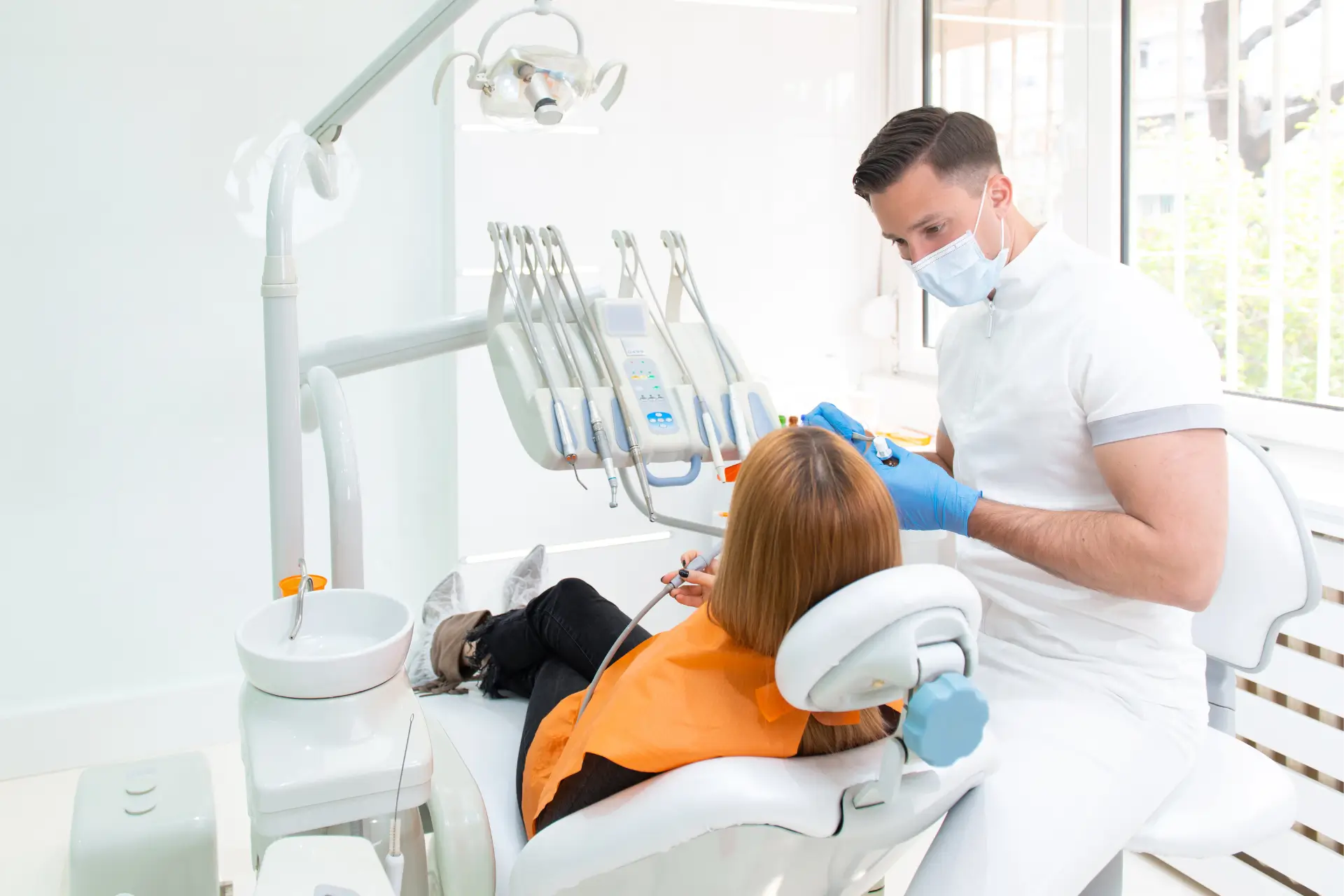
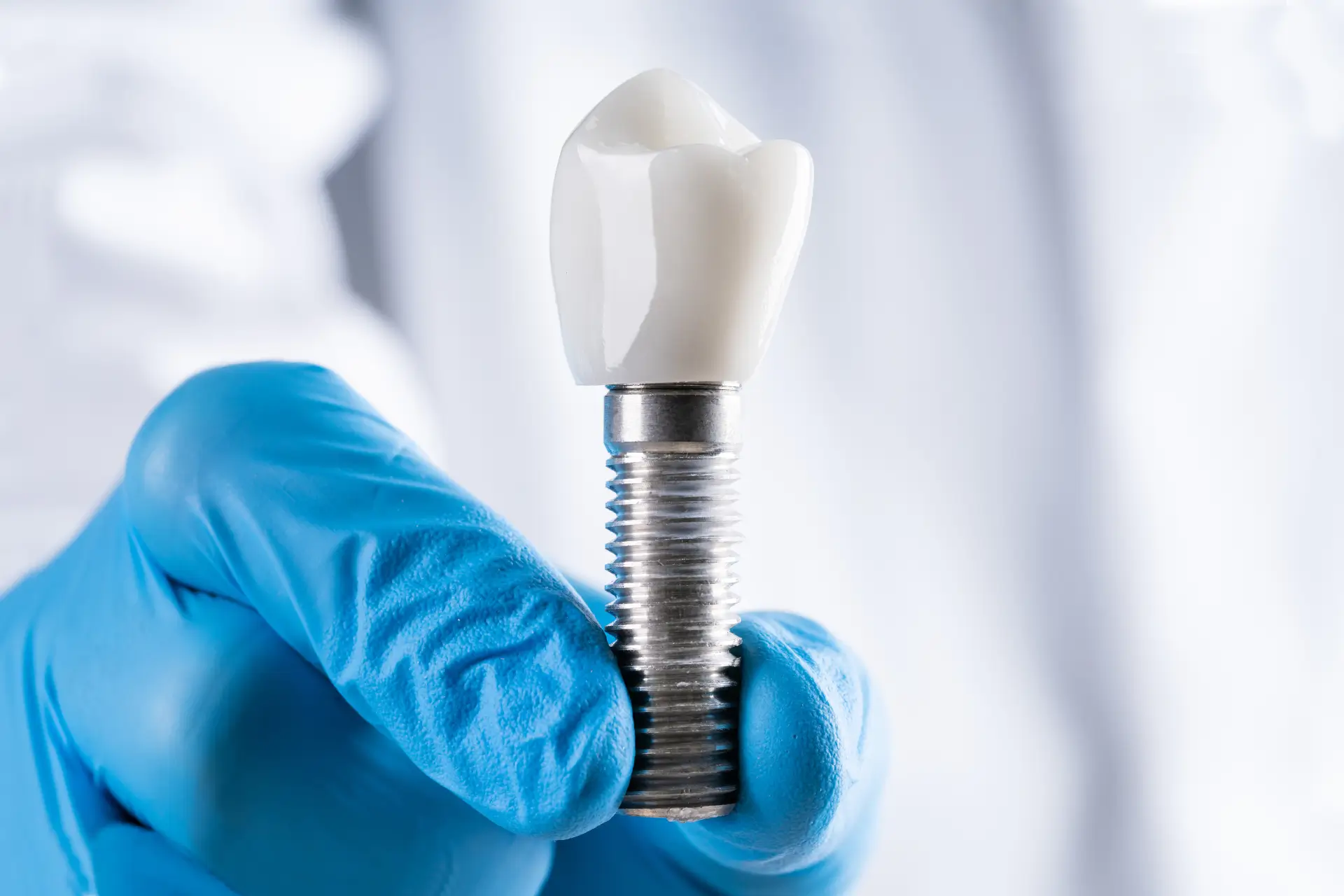
Tooth pain has a way of taking over everything. It interrupts meals, sleep, work calls, school pickup, and even the simple act of talking. When it strikes suddenly, most people want the same thing right away, relief that is safe, practical, and available now. If you are dealing with sharp, throbbing, or pressure-like pain and searching for help in Dental Emergency Plano TX situations, the first priority is to calm the pain without making the problem worse.
That matters because tooth pain is not one thing. A cracked molar feels different from an abscess. A loose crown behaves differently than a wisdom tooth flare-up. Gum irritation after flossing too aggressively is not the same as pain that wakes you at 2 a.m. The right next step depends on the cause, but a few principles hold up in nearly every case: protect the area, reduce inflammation, avoid extremes in temperature, and get a dentist involved sooner rather than later.
I have seen people wait out dental pain for days, hoping it will settle, only to end up needing more extensive treatment than they would have needed if they had acted early. I have also seen people panic over sensitivity that felt dramatic but was manageable with basic home care until the office opened. Good judgment sits in the middle. You do not want to ignore a true emergency, and you do not want to turn temporary irritation into a larger injury by poking, heating, or medicating the tooth the wrong way.
Start with calm, simple steps
When pain hits, it helps to strip away the guesswork. Most safe at-home measures aim to reduce inflammation, keep the area clean, and avoid adding pressure.
- Rinse gently with warm salt water. A half teaspoon of salt in a cup of warm water is enough. Swish lightly, especially if the area is tender, then spit. This can soothe irritated gums and help clear debris around the tooth.
- Use a cold compress on the outside of the cheek for 15 to 20 minutes at a time. This is especially helpful for swelling, trauma, or pain that feels hot and pounding.
- Take an over-the-counter pain reliever as directed on the label, unless your physician has told you to avoid it. Ibuprofen often helps when inflammation is part of the problem. Acetaminophen can also be useful for pain control.
- Keep food off the painful side. Choose soft foods like yogurt, eggs, oatmeal, soup that is warm rather than hot, or mashed potatoes until you know more.
- Call a dentist promptly if pain is severe, keeps returning, or comes with swelling, fever, a bad taste, or difficulty biting down.
These steps sound basic because they are, and that is exactly why they work well as a first response. The common mistakes tend to come from doing too much. People place aspirin directly on the gum and end up with a chemical burn. They hold ice against a tooth for too long and make sensitivity worse. They chew on the sore side “just to test it,” then shift a cracked cusp or dislodge a filling that was barely hanging on. In the first few hours, gentleness is often your best tool.
What your pain may be telling you
A dull ache after biting down on something hard can point to a bruised ligament around the tooth, a crack, or an old filling that has started to fail. Pain that lingers after cold drinks often suggests sensitivity, a cavity, or recession exposing part of the root. Sharp pain on release after biting, especially on one spot of a back tooth, raises suspicion for a crack. Throbbing pain with swelling or a foul taste can mean infection. A constant, diffuse ache in the upper back teeth can even come from sinus pressure, which is why good dental diagnosis matters.
The timing matters as much as the sensation. Pain that comes and goes with sweets or cold may indicate an earlier stage problem. Pain that wakes you from sleep or lasts for hours after a trigger tends to be more serious. If the tooth feels “high” when you bite, as if it hits first, there may be inflammation around the root. If the gums around one tooth look puffy or there is a small pimple-like bump, infection moves higher on the list.
One practical detail many people overlook is whether the pain changes with body position. If throbbing becomes stronger when you lie flat, increased blood flow and pressure may be aggravating inflamed tissues. Sleeping with your head elevated can sometimes make the night more tolerable while you arrange urgent care.
What helps, what hurts
There is a difference between home relief and home treatment. Relief buys time. Treatment fixes the cause. Salt water, cold compresses, temporary dental cement from a pharmacy, and appropriate pain medication can all be useful bridges. Heating pads on the face, https://lanekopj936.publishlane.com/posts/what-to-expect-from-compassionate-dental-emergency-plano-tx-care clove oil used carelessly, hard rinsing, and pressing on the area usually are not.
Clove oil gets recommended often, and there is a reason for that. Eugenol, the active component, can numb discomfort temporarily. Still, strong clove oil can irritate soft tissue if it touches the gums repeatedly or in high concentration. If someone uses it, a tiny amount on a cotton swab aimed at the tooth rather than the surrounding tissue is safer than soaking the area. Even then, it is a stopgap, not a cure.
Temporary filling material sold at pharmacies can be genuinely helpful when a filling falls out and leaves a hole catching air and food. The key is to clean the tooth gently, dry it as best you can, place the material exactly as directed, and avoid treating it like a permanent repair. A temporary patch can reduce sensitivity for a day or two, but if you chew sticky food on it, it often comes right back out.
If a crown has come off, save it. Sometimes it can be recemented if it is intact and the tooth underneath is still suitable. Keep the inside of the crown clean and bring it to the appointment. Some people use over-the-counter dental cement to reseat it briefly. That can work if the fit is stable, but forcing a crown into place when the bite feels wrong can create more trouble. If it does not seat easily, stop.
Pain after a chipped, broken, or cracked tooth
Plano families are busy, and many tooth injuries happen in ordinary moments rather than dramatic accidents. A tortilla chip catches the edge of a front tooth. A popcorn kernel meets an old filling. A child bumps a mouth on a pool deck. An adult who grinds at night wakes with a fractured cusp on a molar. The response should be tailored to the injury.
A small chip with no pain may not require same-hour care, but it still deserves prompt evaluation. The sharp edge can cut the tongue or cheek, and the damage may run deeper than it looks. Dental wax from a pharmacy can cover a rough corner in the meantime. If you do not have wax, sugar-free gum can work briefly as a barrier, though wax is cleaner and more reliable.
A larger break, especially one that exposes yellow or pinkish inner tooth structure, calls for faster attention. Those layers are more vulnerable to temperature, bacteria, and further fracture. Rinse gently, avoid chewing on that side, and keep the tooth clean. If the pain is intense when air hits it, even breathing through the mouth can trigger it. Sipping cool, not ice-cold, water and keeping the lips closed can reduce that sting.
Cracks are tricky because they may not be visible to the naked eye. People often say, “It only hurts when I bite just right,” or “I can’t tell which tooth it is.” That pattern should not be ignored. Some cracked teeth can be stabilized if caught early. Others worsen quietly until the split extends below the gum line, where the treatment options become more limited.
When swelling changes the situation
Pain alone is one thing. Pain with swelling is another. Facial swelling, gum swelling, or a sense that the area is enlarging over hours can point to infection. In those cases, relief at home is not enough. You need professional care, and sometimes you need it the same day.
The reason is straightforward. Infections in the mouth do not always stay put. A localized problem around one tooth can spread into surrounding tissues. Most dental infections start as manageable issues, but once swelling becomes visible outside the gumline, the threshold for urgency rises. If swallowing becomes uncomfortable, if opening the mouth is difficult, or if fever enters the picture, that is not a watch-and-wait situation.
A cold compress may help with comfort from the outside, but heat is generally the wrong move here. Warmth can feel soothing in the moment, yet it may increase blood flow and pressure to already inflamed tissue. Also, do not place crushed aspirin or topical pain gels deep into irritated gums. They often cause additional tissue injury without addressing the source.
The emergency room versus an emergency dentist
This is one of the most common points of confusion in a Dental Emergency Plano TX search. A hospital emergency room can help with severe swelling, trauma, uncontrolled bleeding, fever, and symptoms that affect breathing or swallowing. What it usually cannot do is definitive dental treatment such as a root canal, crown repair, or tooth extraction by a dentist on the spot. That is why many people leave with temporary medication and still need urgent dental follow-up.
An emergency dentist is typically the right first call for intense tooth pain, broken teeth, lost fillings, lost crowns, gum abscesses, and dental injuries that do not involve major facial trauma. If the office has same-day capability, that can save time, money, and unnecessary suffering.
Here is a practical way to think about it:
| Situation | Best first step | |---|---| | Severe toothache without swelling affecting breathing | Call an emergency dentist | | Knocked-out adult tooth | Call an emergency dentist immediately | | Facial swelling with fever or trouble swallowing | Go to the ER or seek urgent medical care | | Uncontrolled bleeding after trauma or dental work | Seek urgent medical care | | Lost filling, broken crown, cracked tooth with manageable pain | Call a dentist as soon as possible |
The line is not always perfect. If you are unsure, err on the side of safety. A dentist’s office may also tell you over the phone whether your symptoms sound like a true emergency or something that can wait until the next available opening.
If a tooth gets knocked out
A knocked-out adult tooth is one of the few dental injuries where minutes really matter. If this happens, handle the tooth by the crown, which is the chewing or visible part, not the root. If it is dirty, rinse it very gently with milk or saline. Water can be used briefly if nothing else is available, but avoid scrubbing or drying the root. If the person can do so safely, placing the tooth back in the socket is best. If not, store it in milk or a tooth preservation solution and get to a dentist immediately.
Children are different. A knocked-out baby tooth should not be replanted at home because of the risk of damaging the permanent tooth developing underneath. That child still needs a dental evaluation, but the response is not the same as for a permanent tooth.
I have seen cases where quick action made all the difference. Families who found the tooth, kept it moist, and got help fast had far better odds than those who wrapped it in a tissue and headed out an hour later. The details matter here.
Nighttime pain and how to make it through until morning
Night amplifies dental pain. There are fewer distractions, offices may be closed, and lying down often increases throbbing. If your symptoms are uncomfortable but not dangerous, the goal is to get through the night without making tomorrow worse.
Keep your head elevated with an extra pillow or by sleeping in a reclined position. Stick with room-temperature or slightly cool water. Avoid alcohol, very hot drinks, and hard foods. Brush gently, because trapped food around an inflamed tooth can intensify pain. If flossing around the painful area releases something stuck, you may get immediate relief, but do not snap floss into a swollen gumline or saw aggressively at a tender spot.
Many people also ask about rinses. Salt water is usually the safest simple option. Commercial mouthwashes that burn can be unpleasant on already irritated tissues. If the tooth is temperature-sensitive, cool air may trigger it, so breathing through the nose and covering the mouth lightly with the lips can help.
Special situations that need judgment
Pregnancy changes the conversation a little, not because dental care is off limits, but because comfort measures and medications deserve extra caution. Untreated infection and severe inflammation are not good during pregnancy, so urgent dental evaluation still matters. The safest medication choice depends on the person, the trimester, and the advice already given by the obstetric provider. In practice, many pregnant patients benefit from early dental contact rather than trying home remedies for too long.
Children often have trouble describing what they feel. They may say a tooth “wiggles” or “feels funny” when the issue is actually gum swelling, food impaction, or a cavity. They also tend to point to the wrong tooth. If a child has visible swelling, swelling after trauma, or pain that prevents sleep or eating, prompt care is wise. A child with a fever and mouth swelling should be taken seriously.
People with diabetes, immune suppression, recent major surgery, or a history of significant heart conditions should also move faster when infection seems possible. Dental pain in those settings is not automatically more dangerous, but the margin for waiting is smaller.
Avoid these common mistakes
Most preventable worsening comes from a short list of habits that seem harmless in the moment. Pressing on the area with fingers or tools, using very hot packs, putting aspirin directly on gums, chewing to “see if it still hurts,” and postponing care once swelling starts are all frequent problems. So is relying on antibiotics left over from an old prescription or from someone else in the family. That is not safe, and it often masks symptoms without solving the source.
Another mistake is assuming pain gone means problem solved. Tooth pain sometimes fades when the nerve inside the tooth becomes less responsive, not when the tooth has healed. People are understandably relieved when a bad ache suddenly stops, but if the tooth still feels different, looks dark, or the gum remains swollen, that can represent a deeper issue rather than improvement.
What a Plano dentist may need to know when you call
A good emergency call goes faster when you can describe the problem clearly. Reception teams and clinical staff usually want to know when the pain started, whether it is constant or triggered by cold or biting, whether there is swelling, whether any part of the tooth broke, and what you have already taken for pain. If trauma is involved, tell them when it happened and whether there was any bleeding or loss of consciousness.
Photos can sometimes help, especially for swelling, broken teeth, or a crown that came off intact. They do not replace an exam, but they can help a team gauge urgency and prepare for your visit. In many practices, giving concise details can be the difference between getting squeezed in the same day and being placed into a routine opening.
Prevention is not glamorous, but it works
Most dental emergencies are not random. They often begin with a small untreated cavity, an old filling that should have been replaced sooner, a night grinding habit, or a sports injury without a mouthguard. Preventive care does not eliminate every emergency, but it cuts the odds.
If you clench or grind, a properly fitted nightguard can protect heavily restored molars from cracks. If you play contact sports, a mouthguard is one of the simplest investments you can make. If your crowns or large fillings are several years old and starting to trap food or feel rough, do not ignore those early signs. Teeth usually whisper before they shout.
For people who have repeated episodes of sensitivity around exposed roots, changing how you brush can matter as much as changing toothpaste. A soft brush, lighter pressure, and gentle circular strokes protect gum tissue better than scrubbing back and forth with force. That kind of habit sounds minor until you see how much recession and root sensitivity it can prevent over time.
Knowing when relief is enough, and when it is not
Some toothaches calm down with basic measures and can wait a short time for an office visit. Many cannot. If the pain is escalating, if swelling is present, if a tooth broke, if a filling or crown left exposed tooth structure, or if you cannot chew normally, it is worth treating the problem like the time-sensitive issue it probably is.
People often hope the pain will declare itself more clearly if they wait. Sometimes it does. More often, it declares itself by getting more expensive, more invasive, and more disruptive. A simple repair can become a root canal. A crown recementation can become a replacement. A tooth that might have been saved can fracture beyond repair.
Emergency tooth pain relief is about buying safe time, not betting against biology. Rinse gently, cool the outside, protect the tooth, use medication responsibly, and get seen. In Plano, where access to urgent dental care is generally good, the smartest move is rarely heroic home treatment. It is getting the right set of hands involved before a painful situation becomes a true Dental Emergenc that controls your week.
Vitality Dental
Address: 1220 Coit Rd #106, Plano, TX 75075
Phone number: +19726454100
FAQ About Dental Emergency Plano TX
What can the ER do for a tooth?
An emergency room (ER) can manage pain and treat severe infections with medication, but it cannot fix or pull a tooth.
What is considered a dental emergency?
A dental emergency is any oral health problem that involves severe pain, uncontrollable bleeding, or an infection that threatens your health or requires immediate care to save a tooth.
Is there a 24-hour dental service in Plano, TX?
There is no physical dental clinic in Plano, Texas, that stays open with walk-in staff 24 hours a day, but several offices offer 24/7 phone support, late-night hours, or same-day emergency care.