How Emergency Dentist Bakersfield CA Services Support Long-Term Oral Health
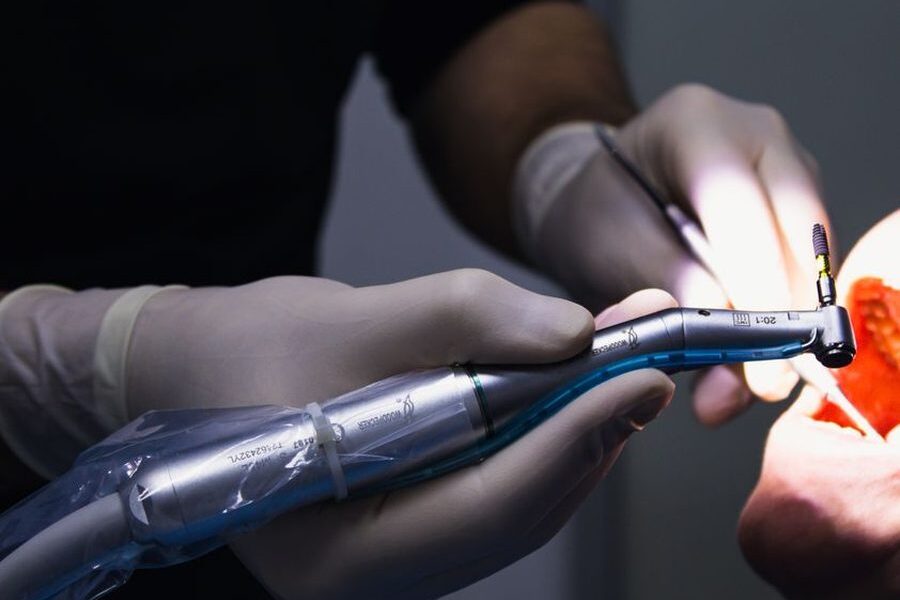
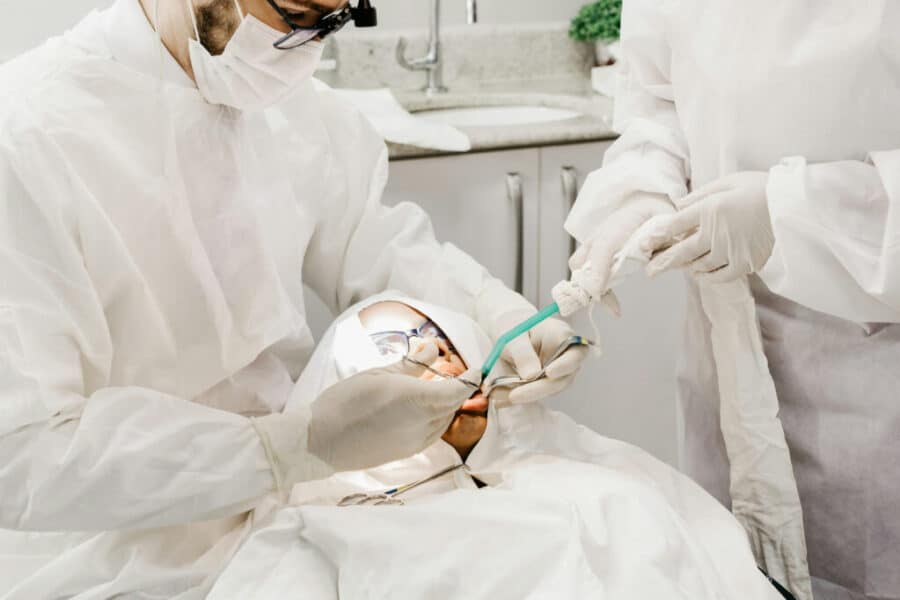
Most people think of emergency dental care as a short, intense visit that solves one immediate problem. A tooth breaks, pain spikes at midnight, a crown falls off before an important meeting, or a child takes an elbow to the mouth during a weekend game. The goal seems simple: stop the pain, fix the damage, get back to normal.
That is only part of the story.
Emergency dental care often determines what happens to a patient’s mouth months and even years later. The speed of treatment can decide whether a cracked tooth is preserved or lost. The quality of that first intervention can reduce the risk of infection spreading into the gums, bone, or bloodstream. Even a fast adjustment to a broken filling can prevent a bite problem that would otherwise strain the jaw and wear down surrounding teeth. When patients in pain seek timely help from an Emergency Dentist Bakersfield CA provider, they are not just solving a bad day. They are often protecting the future of their oral health.
This matters especially in a place like Bakersfield, where active lifestyles, sports injuries, busy family schedules, and limited time for preventive appointments can all increase the chances that small dental problems go unchecked until they become urgent. In practice, emergency visits often reveal a larger pattern. A severe toothache may trace back to an old cavity that gradually reached the pulp. A swelling near the gums may point to a periodontal issue that had been simmering for months. A chipped molar may expose years of heavy grinding during sleep. The emergency is real, but it is rarely random.
The first emergency visit often changes the whole treatment path
Dentists who handle emergencies regularly see a clear divide between patients who come in quickly and those who wait too long. The difference is not only pain level. It is also what can still be saved.
A patient with a fresh crack in a molar may arrive with sharp pain when biting. If that tooth is examined quickly, the dentist may be able to protect it with a crown, adjust the bite, and monitor the pulp. If that same patient delays for weeks, bacteria can travel through the fracture line, inflame the nerve, and create an abscess. At that point, the treatment could shift from a relatively straightforward restoration to root canal therapy or extraction.
The same pattern applies to knocked-out or partially displaced teeth. The first hour matters. The way the tooth is handled, stored, and repositioned affects whether it can successfully reattach. Long-term oral health, in those moments, is not an abstract idea. It depends on decisions made under pressure.
Emergency dentistry also helps preserve the structure around a damaged tooth. Bone levels, gum attachment, and bite stability can all worsen when a problem is left alone. Once support tissue is lost, restoring function becomes more complicated and more expensive. A quick emergency response may spare a patient from needing future implants, grafting procedures, or orthodontic correction.
Pain relief is important, but diagnosis is the real turning point
Patients understandably focus on pain. They want relief, and they should. Yet the deeper value of emergency care is diagnostic clarity. Pain can be misleading. A patient may point to the upper left side when the true problem is a lower molar referring pain along the jaw. Sinus pressure can mimic tooth pain. A cracked tooth can hide from the eye and only appear on a bite test or with magnification. Gum infections sometimes look minor on the surface and prove significant once probed and imaged.
An experienced emergency dentist is not just reacting. They are sorting urgent symptoms into likely causes, checking for spread of infection, testing the vitality of teeth, evaluating mobility, and deciding what must happen immediately versus what can safely wait a few days. That judgment protects long-term health because overtreatment and undertreatment can both create problems.
A common example is swelling. Not every swollen area needs the same response. Some infections require drainage and antibiotics, while others call for direct treatment inside the tooth, such as root canal therapy, because antibiotics alone will not remove the source. Giving temporary medication without addressing the cause may buy time, but it can also allow the condition to flare up again. The long-term win comes from matching the emergency treatment to the biology of the problem.
Preserving natural teeth is almost always the best long-range option
When dentists talk about long-term oral health, preserving natural teeth remains one of the most important goals. Modern implants are excellent in the right case, but they are not better than a healthy natural tooth. A natural tooth has a periodontal ligament, sensory feedback, and a biological relationship with the surrounding bone that no replacement fully duplicates.
Emergency dental services support that preservation in practical ways. They stabilize trauma, seal exposed dentin, protect cracked cusps, re-cement restorations, and reduce the bacterial load from acute infections before deeper destruction occurs. These steps can look temporary in the moment, but they often buy valuable time and preserve options.
A patient who breaks a front tooth in an accident may think the tooth is lost because it looks dramatic. Sometimes it is not. If the root is intact and the fracture pattern is favorable, prompt care can keep the tooth viable and attractive for years. A child or teenager with a dental injury may especially benefit from conservative emergency management because maintaining the tooth through growth years can make future treatment far simpler.
The same logic applies to back teeth. Molars do hard work. Once a painful molar is removed, the consequences ripple outward. Adjacent teeth may drift. Opposing teeth may supra-erupt. Chewing shifts to the other side. Over time, that can create wear patterns, periodontal stress, and TMJ discomfort. Saving one tooth during an emergency can spare the patient a chain reaction.
Infection control protects more than the tooth
Dental infections are local until they are not. Many remain confined and manageable, but some spread into facial spaces, affect swallowing, or create fever and systemic illness. Patients with diabetes, autoimmune conditions, or compromised immunity face additional risk. Even healthy adults can deteriorate quickly if a severe infection is ignored.
This is where emergency dental access becomes a public health issue as much as a comfort issue. Timely treatment can reduce bacterial spread, lower the chance of hospitalization, and prevent damage to surrounding structures. In practical terms, it can mean the difference between draining a localized abscess in the office and sending a patient for more advanced care.
Long-term oral health also depends on protecting the bone around infected teeth. Chronic infection can hollow out supporting bone, weaken nearby teeth, and complicate later reconstruction. By identifying the source early and acting decisively, an Emergency Dentist Bakersfield CA practice helps preserve the architecture of the mouth, not just the tooth causing pain.
Emergency care often uncovers silent habits that damage teeth over time
Some of the most useful emergency visits are the ones that reveal an unseen pattern. A patient comes in with a fractured filling, but the real issue is clenching so severe that multiple teeth show craze lines and wear facets. Another patient presents with gum bleeding around a painful wisdom tooth, but examination reveals generalized periodontal inflammation that had not been addressed in years. Someone breaks a veneer, then learns their bite has shifted enough to overload the front teeth.
These discoveries matter because they move care from patchwork fixes to prevention. The emergency becomes a diagnostic doorway. A dentist may recommend a night guard, bite adjustment, deep cleaning, replacement of failing restorations, or referral to a specialist. Without that emergency event, the patient might have continued on the same path until the damage multiplied.
There is a human side to this as well. Many people avoid routine dental care because they are busy, anxious, or financially stretched. They finally seek treatment when pain forces the issue. While nobody wants a crisis, that crisis sometimes becomes the first meaningful re-entry point into regular care. A good emergency visit does more than put out a fire. It gives the patient a clear, realistic roadmap for avoiding the next one.
Bakersfield patients often need practical, staged care
In real practice, not every emergency is solved in one visit. That is not a failure. It is often the safest and most responsible approach.
A patient with severe swelling, high blood pressure, and little sleep from pain may first need stabilization. That may include drainage, medication, temporary restoration, or removal of irritants under local anesthesia, followed by definitive care when the tissues calm down and the full picture is clearer. Another patient may need a temporary crown after a fracture, then return for a root canal or permanent restoration based on how the tooth responds.
This staged approach supports long-term health because it respects biology. Inflamed tissues do not always behave predictably on day one. A careful emergency dentist balances urgency with restraint. Acting too aggressively in a swollen, infected, or traumatized area can complicate healing. Acting too timidly can leave the source untreated. The skill lies in knowing which problems need immediate definitive treatment and which benefit from stabilization first.
Bakersfield families also value logistics. Parents may need after-hours help for a child with dental trauma. Agricultural and oilfield workers may need fast treatment that keeps them functional and able to return to work safely. Older adults may need urgent care coordinated with medical conditions, medications, or transportation limits. Emergency services support long-term oral health partly because they meet patients where real life happens, not where a perfect schedule exists.
What patients should do before they reach the office
The minutes before a dental emergency appointment can influence the outcome. Calm, simple steps help far more than improvisation.
- If a permanent tooth is knocked out, handle it by the crown, not the root, and try to keep it moist in milk or saliva.
- If there is bleeding, apply steady pressure with clean gauze or cloth.
- If swelling develops, use a cold compress on the outside of the face in short intervals.
- If a tooth breaks, keep any fragments and avoid chewing on that side.
- If pain is severe or swelling affects breathing or swallowing, seek immediate medical attention.
Those steps do not replace treatment, but they can limit further harm. They also give the dentist a better chance of preserving the tooth and surrounding tissue.
Emergency treatment can reduce future costs, even when it feels expensive today
Patients often hesitate to seek emergency dental care because they fear the bill. That concern is understandable. Urgent care is rarely convenient, and complex dental work carries real cost. Still, from a long-range perspective, delaying treatment often leads to a much higher total expense.
A lost filling may seem manageable until the exposed tooth fractures below the gum line. A draining gum infection may quiet down temporarily, only to destroy enough bone to require extraction and replacement. A broken denture may cause soft tissue trauma and poor nutrition in an older adult, creating both dental and medical consequences.
The economics of emergency dentistry often come down to timing. Early intervention can preserve a tooth with a filling, crown, or root canal. Late intervention may mean extraction, bone grafting, implant placement, and multiple follow-up visits. That difference can run from hundreds of dollars to several thousand, not counting missed work, sleep disruption, and repeated pain episodes.
There is also a less obvious cost, functional decline. Patients who avoid chewing on one side for months may develop muscle soreness, uneven wear, and changes in eating habits. Those are not line items on an invoice, https://www.google.com/maps?cid=17479708580987630325 but they matter.
The emotional impact of emergency care matters too
Oral health is physical, but it is also psychological. Dental pain makes people short-tempered, distracted, and exhausted. Trauma to front teeth can make them hide their smile, skip social events, or speak less confidently at work. Parents panic when a child is hurt and bleeding from the mouth. Older adults can feel vulnerable when dentures fail or teeth become loose.
A competent emergency dental visit restores more than structure. It gives patients a sense of control. They stop guessing. They get a plan. They understand whether the tooth can be saved, how long healing may take, and what signs should prompt a return call. That clarity reduces anxiety and improves follow-through with long-term treatment.
In my experience, patients remember these visits vividly. They remember whether the office explained things plainly, whether the dentist respected their fear, whether pain was managed promptly, and whether the next steps felt realistic. Trust built during an emergency often becomes the foundation for better routine care later. That trust itself supports long-term oral health because patients who feel heard are more likely to return before small issues become major ones.
Not every dental problem is an emergency, but many deserve prompt attention
One challenge for patients is knowing what counts as urgent. Severe, throbbing pain, facial swelling, trauma, uncontrolled bleeding, and a knocked-out tooth obviously need fast care. Other issues are less dramatic but still time-sensitive. A cracked tooth that only hurts when chewing can worsen quickly. A crown that came off may expose sensitive tooth structure and allow movement. A filling that fell out may leave sharp edges and invite decay.
Waiting for unbearable pain is a poor rule. Teeth do not always announce serious damage with dramatic symptoms right away. Some dead teeth barely hurt until infection flares. Some fractures cause only brief pain before splitting further. Seeking evaluation early keeps more treatment options open.
That is one reason the phrase Emergency Dentist Bakersfield CA should not be understood narrowly. Emergency services are not only for catastrophic injuries. They are for urgent situations where timing may influence whether the patient keeps a tooth, avoids infection, or prevents more extensive repair.
After the emergency, follow-up determines the real outcome
The emergency appointment is often the turning point, but the follow-up visit is where long-term success is secured. A temporary filling needs a permanent restoration. A repositioned tooth needs monitoring for pulp vitality and root resorption. A drained abscess needs definitive treatment at the source. Bite adjustments may need refinement once swelling subsides. Soft tissues injured by trauma need re-checks to confirm proper healing.
This is where some patients unintentionally lose the benefit of good emergency care. Once the pain eases, they assume the problem is solved. It may not be. Emergency treatment frequently stabilizes, relieves, and protects, but many conditions require a second phase to prevent relapse.
A responsible dental team makes that clear. They explain what was done, what remains unfinished, and what can happen if the patient does not return. That communication is central to long-term oral health. Dentistry works best when the acute phase and the restorative phase connect seamlessly.
A strong emergency dental office is really a prevention office under pressure
The best emergency dentistry has a paradox at its core. It deals with urgent problems, yet its real value is preventive. It prevents tooth loss. It prevents infection spread. It prevents bone destruction, bite collapse, sleep disruption, nutritional compromise, and fear-based avoidance of care. It often catches chronic problems at the exact moment patients are ready to address them.
That is why emergency services deserve a larger role in conversations about oral health. They are not separate from comprehensive care. They are a critical part of it. For many patients, especially those who have delayed treatment or faced sudden trauma, the emergency appointment becomes the first step back toward stability.
When someone in pain finds a capable Emergency Dentist Bakersfield CA practice, they are not merely purchasing a quick fix. They are investing in the chance to keep more natural tooth structure, maintain healthier gums and bone, restore comfortable function, and avoid a deeper cycle of damage. Fast care matters, but thoughtful care matters just as much. The combination of both is what turns a dental emergency from a setback into a safeguard for the future.
Smyle Dental Bakersfield
2016 E St, Bakersfield, CA 93301, United States
+16614939040
FAQ About Emergency Dentist Bakersfield CA
What counts as a dental emergency?
Severe tooth pain, facial swelling, uncontrolled bleeding, a knocked-out or displaced tooth, and significant dental trauma may need prompt assessment. Trouble breathing or rapidly increasing swelling requires urgent medical help.
What should I do if a permanent tooth is knocked out?
Handle the tooth by the crown rather than the root, keep it moist, and contact a dentist immediately. Fast treatment can improve the chance of saving the tooth.
Can an emergency dentist treat severe tooth pain the same day?
Same-day care may be available depending on the cause and schedule. The dentist will examine the area, may take digital X-rays, and recommend treatment based on the diagnosis.
Should I go to the emergency room for dental swelling?
Seek urgent medical care for trouble breathing, difficulty swallowing, rapidly spreading facial swelling, or other severe symptoms. A dentist can assess the underlying dental cause and provide appropriate follow-up care.