How to Stay Calm Before Seeing an Emergency Dentist
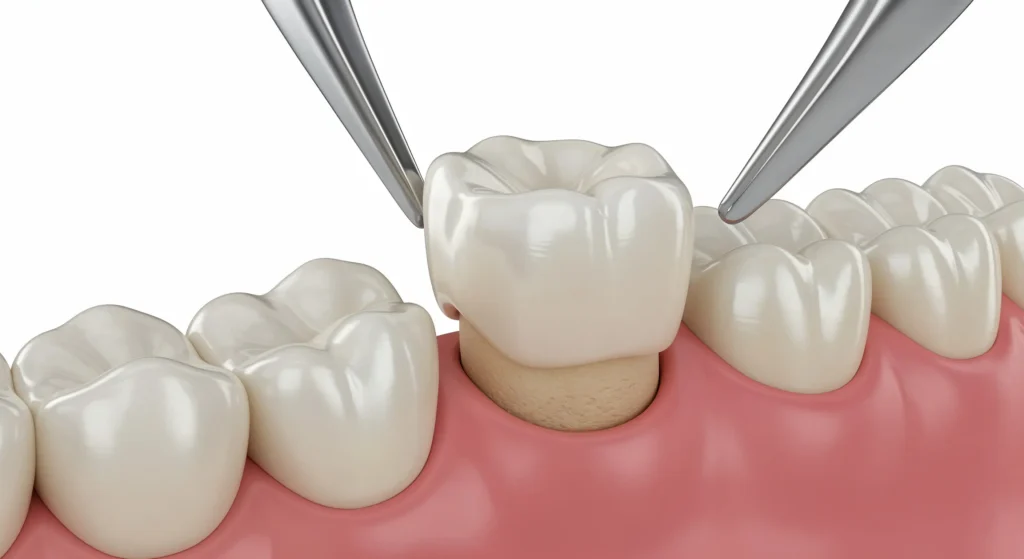
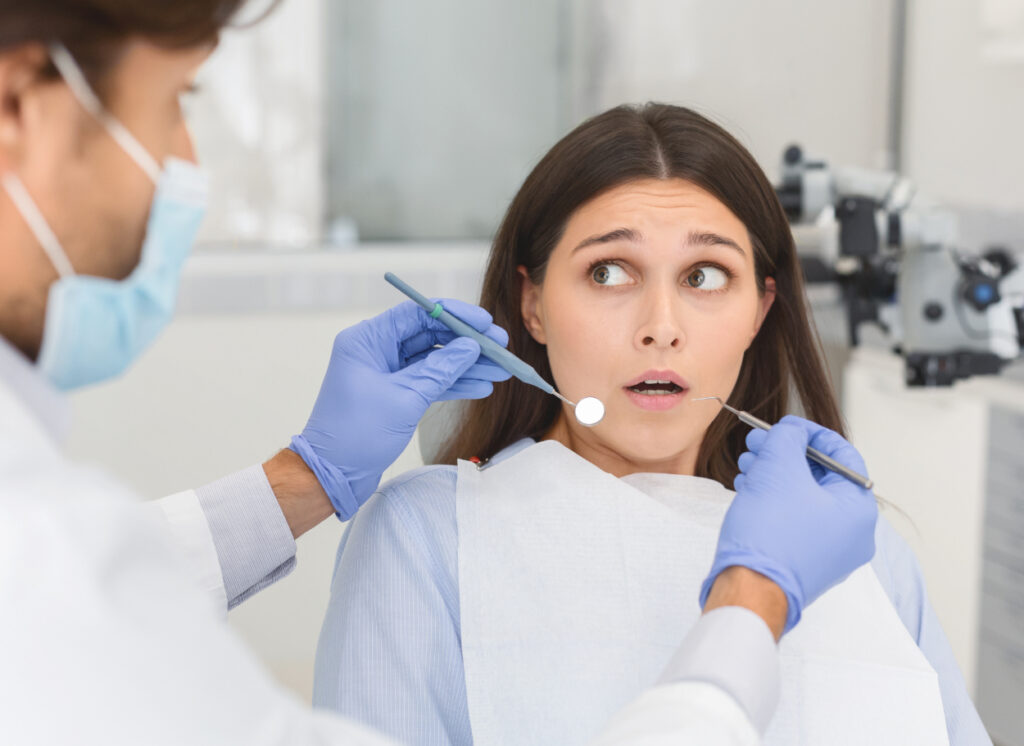

Few things can hijack your thoughts as quickly as sudden dental pain. A cracked tooth at dinner, swelling that seems to worsen by the hour, bleeding after an injury, a crown that comes loose before a work presentation, these moments feel urgent because they are. They also tend to trigger a very specific kind of panic. Dental discomfort is hard to ignore, and uncertainty makes it worse. People often do not know whether they are dealing with a true emergency, how long they can safely wait, or what will happen once they reach the clinic.
That emotional spiral is common. It does not mean you are overreacting, and it does not mean you are bad at handling stress. Oral pain can be intense, and the mouth is such a central part of eating, speaking, and breathing that any problem there naturally feels threatening. The good news is that there are practical ways to steady yourself before seeing an Emergency Dentist. Calm does not erase the problem, but it helps you think clearly, communicate symptoms accurately, and make better decisions in the hours before treatment.
Why dental emergencies feel so overwhelming
Dental pain has a way of taking over your attention. A dull ache in a shoulder or knee can sometimes be tuned out for a while. Tooth pain rarely gives you that grace. It throbs with your heartbeat, flares when you drink water, worsens when you lie down, and reminds you of itself every time your tongue wanders near the sore area. If swelling is involved, the anxiety climbs faster. People start wondering whether the infection is spreading, whether they will lose the tooth, or whether treatment will be painful and expensive.
Another reason people panic is memory. Even adults who usually cope well under pressure may carry a few bad dental experiences from childhood or early adulthood. The smell of a dental office, the sound of instruments, or even the phrase “emergency appointment” can pull those memories to the surface. I have seen otherwise composed people become visibly tense while simply calling the front desk. Often what helps most is not being told to “relax,” but being given specific steps and clear expectations.
There is also the timing. Dental emergencies rarely happen when it is convenient. They show up late at night, during holidays, before travel, or when you are already stretched thin. Stress piles onto pain, and pain magnifies stress. Recognizing that cycle is useful, because once you see it, you can interrupt it.
Start by separating urgency from fear
The first calming move is simple, though not always easy: ask yourself what is happening right now, not what you are afraid might happen later. Fear tends to jump ahead. It tells you that every cracked tooth means extraction, every swelling means catastrophe, every emergency visit means unbearable treatment. Reality is usually more specific.
A lost filling may be painful but manageable for several hours. A chipped front tooth may look alarming and still not involve the nerve. On the other hand, facial swelling, fever, uncontrolled bleeding, or difficulty swallowing deserves fast attention. The point is not to diagnose yourself with certainty. It is to shift from vague dread to concrete observation.
Notice the location of the pain, how strong it feels, whether it is constant or comes in waves, whether heat or cold makes it worse, whether your bite feels different, and whether swelling is visible. If you can describe the problem clearly, you will usually feel more in control. That same information also helps the dental team judge how urgently you need to be seen.
What to do in the first 15 minutes
When people panic, they often pace, search the internet, text three friends, and accidentally make themselves more distressed. A better approach is to narrow your next actions.
- Call a dental office or emergency line as soon as you can, explain your symptoms clearly, and ask whether you should come in immediately.
- Rinse gently with warm salt water if the issue involves irritation, mild bleeding, or debris, unless you were told otherwise.
- Use a cold compress on the outside of the cheek for swelling or after trauma, usually in short intervals.
- Take pain relief exactly as directed on the label if it is safe for you and you have no medical reason to avoid it.
- Avoid chewing on the affected side, and do not place aspirin directly on the gum or tooth.
Those steps do not solve the underlying problem, but they create order. Order lowers stress. It also reduces the chances of making the situation worse while you wait.
The phone call itself can lower anxiety
Calling an Emergency Dentist often feels like a threshold moment. Before the call, everything is unknown. Once you reach a trained staff member, the unknown begins to shrink. You get a time, an address, advice for the drive over, and some idea of what to expect. Even if the office is fully booked, they can often tell you whether your symptoms require immediate care, whether to head to urgent care or the emergency room instead, or how to protect the tooth until you are seen.
If phone anxiety adds to the stress, keep your explanation short and factual. Say when the problem started, where it hurts, whether swelling or bleeding is present, and whether there was trauma. Mention any fever, trouble swallowing, or difficulty opening your mouth. Those details matter more than long backstory.
A patient once described her dental pain to me as “bad, horrible, just awful.” All of that was true, but it did not tell the office enough. When she paused and restated it as “upper left molar, severe throbbing since last night, swelling started this morning, cold makes it sharper,” triage became straightforward. Specificity is calming because it creates movement.
How to manage the body so the mind follows
Anxiety is not just mental chatter. It is physical. Your jaw tightens, breathing gets shallow, shoulders lift, stomach churns, and every sensation seems louder. Trying to think your way out of that while your body is in alarm mode is tough. It often works better to settle the body first.
Slow breathing helps, but only if it is done simply. Breathe in through your nose for about four seconds, then out a little longer than that. The longer exhale matters. It signals your nervous system to ease off. Do not worry about perfect technique. Three to five rounds can make a noticeable difference.
Unclench your jaw consciously. People in dental pain often brace without realizing it, which adds muscle tension to the original problem. Let your tongue rest softly, keep your lips together but teeth apart, and drop your shoulders. If you are sitting, place both feet flat on the ground. These are small physical cues, yet they interrupt the feeling of spiraling.
Temperature can help too. A cool cloth across the cheek or forehead can be grounding. So can holding a cold bottle of water, provided cold does not aggravate the tooth. Repetitive sensory anchors work because they bring attention back to the present moment instead of the imagined future.
Be careful with internet advice
The internet can be useful for basic first aid, but it is also a fast way to amplify fear. Search results tend to surface worst-case scenarios, and many home remedies are ineffective or risky. People still put crushed tablets, alcohol, clove products in excessive amounts, or even adhesive materials near a painful tooth without understanding the consequences. Some remedies irritate soft tissue. Others delay proper treatment.
If you do look something up, stick to reputable dental or medical organizations, and use the information for immediate care guidance, not diagnosis. There is a meaningful difference between “how to store a knocked-out tooth before treatment” and “does this pain mean I have a dangerous infection.” The first question is practical. The second can send you into an anxiety hole.
One of the calmer habits I recommend is this: once you have spoken to a professional and know your next step, stop searching. More information is not always more reassuring. Past a certain point, it just feeds adrenaline.
Pain control without making mistakes
Pain changes behavior. It makes people impatient, distractible, and more likely to overdo medications in search of relief. That is understandable, but it is where judgment matters. Stick to the dosing instructions on the packaging unless a clinician has given you a different plan. If you have liver disease, kidney disease, stomach ulcers, are pregnant, take blood thinners, or have medication allergies, be extra cautious and consult a pharmacist, physician, or dentist if there is any uncertainty.
Do not place painkillers directly against the gum. This old habit can burn tissue and leave you with a second problem on top of the first. Do not use heat on a swollen face if infection is possible, because heat can increase throbbing and may worsen the sense of pressure. If a filling or crown has fallen out, keep the area clean and avoid sticky or very hard foods. Temporary dental cement from a pharmacy can sometimes help in a pinch, but only if used as directed and only as a short-term measure until professional care.
The practical side of pain management matters emotionally too. Once you know you have taken a sensible step, the helplessness eases. You are no longer just enduring the problem. You are managing it responsibly until treatment begins.
If you are frightened of the appointment itself
For some people, the emergency is only half the problem. The other half is the visit. The anticipation of needles, drilling, or bad news can feel worse than the dental pain. This is where honesty helps. Tell the office you are anxious. Dental teams hear this every day, and a good one adjusts communication and pacing when they know a patient is struggling.
You do not need a dramatic script. A plain sentence works: “I’m in pain, and I’m also very nervous about dental treatment.” That lets the team explain each step, minimize surprises, and discuss pain control options. Many anxious patients calm down once they realize the first part of the appointment is often assessment, imaging if needed, and a focused plan, not immediate major treatment without discussion.
It also helps to update your expectations. Emergency dental care is not always about finishing everything in one visit. Sometimes the goal is to get you safe, reduce pain, drain an infection, stabilize a broken tooth, or place a temporary solution before definitive treatment later. Knowing that can reduce the pressure. You are not walking into a black box. You are starting a process with a clear first objective.
Practical preparation creates emotional steadiness
Anxious minds do better when logistics are settled. If you are rushing around looking for your ID, trying to remember your medication list, or wondering how you will get home, stress builds unnecessarily. A few minutes of preparation can make the trip feel far more manageable.
Bring the basics: identification, insurance information if you use it, a list of medications, and any relevant medical conditions. If trauma caused the problem, gather any tooth fragments you can find and store them as instructed by the dental office. If a tooth has been knocked out, time matters, and the way it is handled matters too. Hold it by the crown, not the root, and follow the office’s directions for storage and transport. If you are bleeding, bring clean gauze or tissues for the trip.
If you are very distressed, ask someone else to drive. Pain, adrenaline, and lack of sleep are not a great combination behind the wheel. Even having a calm person beside you can lower your heart rate and help you remember what the dentist says.
What not to tell yourself while you wait
The language you use in your own head matters more than people think. There are a few phrases that reliably increase panic: “I can’t handle this,” “It’s definitely going to be terrible,” “I know they’re going to pull it,” “This will never stop hurting.” Those thoughts feel convincing in the moment because pain narrows perspective. But they are predictions, not facts.
Try replacing them with more accurate language. “This is painful, but I am taking the right steps.” “I do not know the treatment yet.” “The goal right now is to get assessed.” “I have gotten through painful things before.” These are not feel-good slogans. They are corrective statements. They bring your mind back to what is actually known.
I have watched the whole tenor of a patient’s visit change based on this shift alone. The person who arrives convinced disaster is certain tends to be tense, exhausted, and less able to process information. The person who arrives focused on the next manageable step usually asks better questions and leaves feeling steadier, even if the problem is significant.
Situations that deserve extra urgency
Not every dental issue can wait until a routine opening. Some symptoms should push you to seek immediate advice from an Emergency Dentist, and in some cases emergency medical care, because they can signal a more serious problem.
- Swelling that is spreading into the face or jaw
- Fever along with dental pain or swelling
- Difficulty swallowing, breathing, or opening the mouth
- Bleeding that does not slow with pressure
- A permanent tooth that has been knocked out
If any of those are happening, stay focused on action, not analysis. Call right away. If breathing or swallowing is affected, do not wait for a standard dental appointment. Seek urgent medical help.
Children, older adults, and special circumstances
Calm looks different depending on who is affected. With children, your tone matters as much as the practical steps. If you sound alarmed, they usually become more frightened. Speak plainly, keep explanations brief, and avoid promising that nothing will hurt. A better approach is, “The dentist is going to help your tooth feel better, and I’ll stay with you.” If a child has had a fall, check for lip or tongue injuries, look for displaced teeth, and call promptly. Baby teeth and permanent teeth need different handling, so professional guidance matters.
Older adults may face extra challenges such as dry mouth from medications, more brittle teeth, multiple prescriptions, or transportation issues. Their pain may also be underreported. Some minimize symptoms because they do not want to be a bother. If you are helping an older family member, ask direct questions, write down the timeline, and bring their medication list.
People with strong gag reflexes, sensory sensitivity, or trauma history often need a bit more communication and control to stay regulated. If that is you, tell the office before you arrive if possible. The more the team knows, the better they can pace the appointment.
What usually happens at the emergency visit
A lot of fear comes from not knowing the sequence. While each office works a little differently, emergency dental visits often begin with questions about symptoms, medical history, and what triggered the problem. The dentist then examines the area, and many cases involve an x-ray if one is needed to see decay, infection, root damage, or fracture depth. After that, you typically get a focused explanation: what the likely issue is, what needs to happen today, what can wait, and what costs or follow-up may be involved.
That explanation is often the moment people visibly relax. Not because the problem disappears, but because uncertainty does. A severe toothache might https://www.flickr.com/people/204698476@N05/ turn out to need root canal treatment soon, but the immediate goal could simply be to diagnose it, control pain, and start appropriate treatment. A broken tooth might need smoothing, a temporary covering, or stabilization before a later restoration. Even if the plan is not ideal, clarity is soothing.
If you tend to freeze when information comes quickly, ask one or two direct questions: “What is the main problem?” and “What needs to happen today?” Those two questions cut through a lot of noise.
Aftercare starts with emotional recovery too
The period after the appointment deserves a word, because many people stay revved up long after they leave. Adrenaline can linger, especially if you have been in pain for hours or days. Once you are home, stick closely to the aftercare instructions, but also give yourself a little margin. Eat soft food if advised, rest, drink water, and avoid replaying the experience in your head more than necessary.
It is surprisingly common to feel shaky, tired, or tearful after an emergency dental visit, even when things go well. That does not mean something is wrong. It is often just the body coming down from pain and stress. If symptoms worsen instead of improve, or if the dentist warned you about signs to watch for, follow up promptly. But if what you are feeling is more emotional than physical, know that it is a normal response to an intense situation.
Calm is not the absence of fear
Most people who handle dental emergencies well are not especially fearless. They are simply focused. They do the next useful thing. They call, describe symptoms, protect the area, manage pain safely, and let the professionals guide the rest. That is what staying calm really means in this context. Not pretending you are unbothered, but keeping panic from taking the wheel.
Seeing an Emergency Dentist can still be unpleasant, inconvenient, and stressful. There is no need to sugarcoat that. But it is far easier to navigate when you replace vague fear with concrete steps, when you stop guessing and start communicating, and when you remember that urgent dental care exists for exactly these moments. Pain narrows your world. A plan opens it back up.
Simple Dental South Gate
Address: 8617 California Ave, South Gate, CA 90280
Phone number: +13236896118
FAQ About Emergency Dentist Southgate CA
What can the ER do for a tooth?
The emergency room can provide temporary symptom relief for a bad tooth, such as prescribing pain medicine or antibiotics, but it cannot fix the actual dental problem.
What is the 3-3-3 rule for tooth infection?
The 3-3-3 rule for a toothache or infection typically means taking three 200 mg ibuprofen tablets (600 mg total) three times a day for no more than three days to control pain and swelling while waiting to see a dentist.
What do you do if you have a dental emergency but no dentist?
If you have a dental emergency and no regular dentist, you should search for an urgent care dental clinic, call local walk-in dental offices, or go to a hospital emergency room if you have severe bleeding, swelling, or trouble breathing.