Veneers for Smile Symmetry: Why Balance Matters
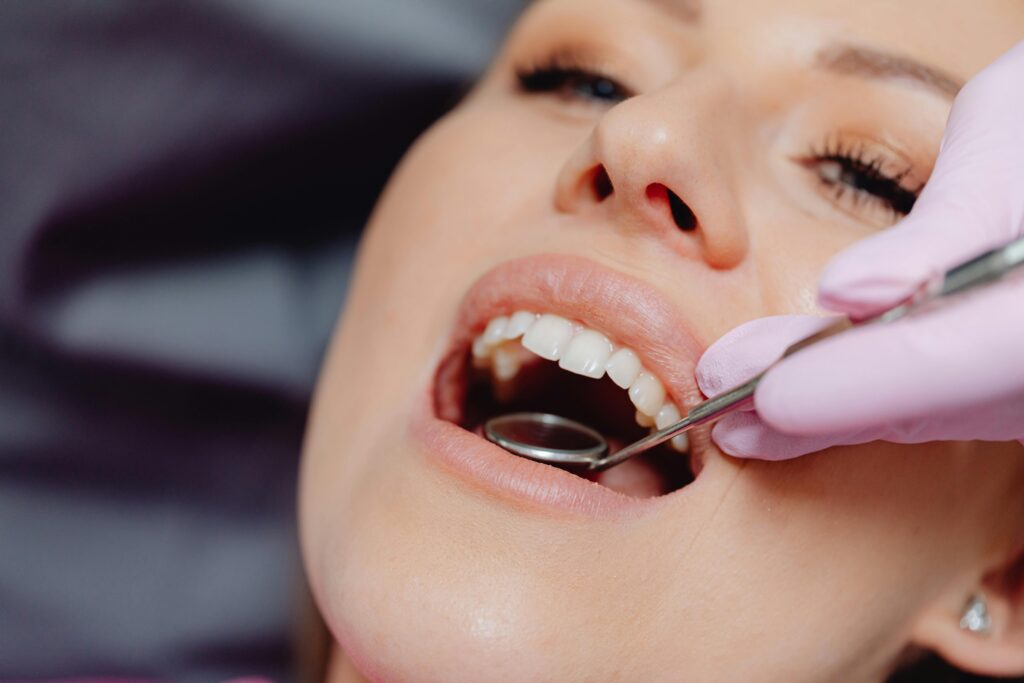
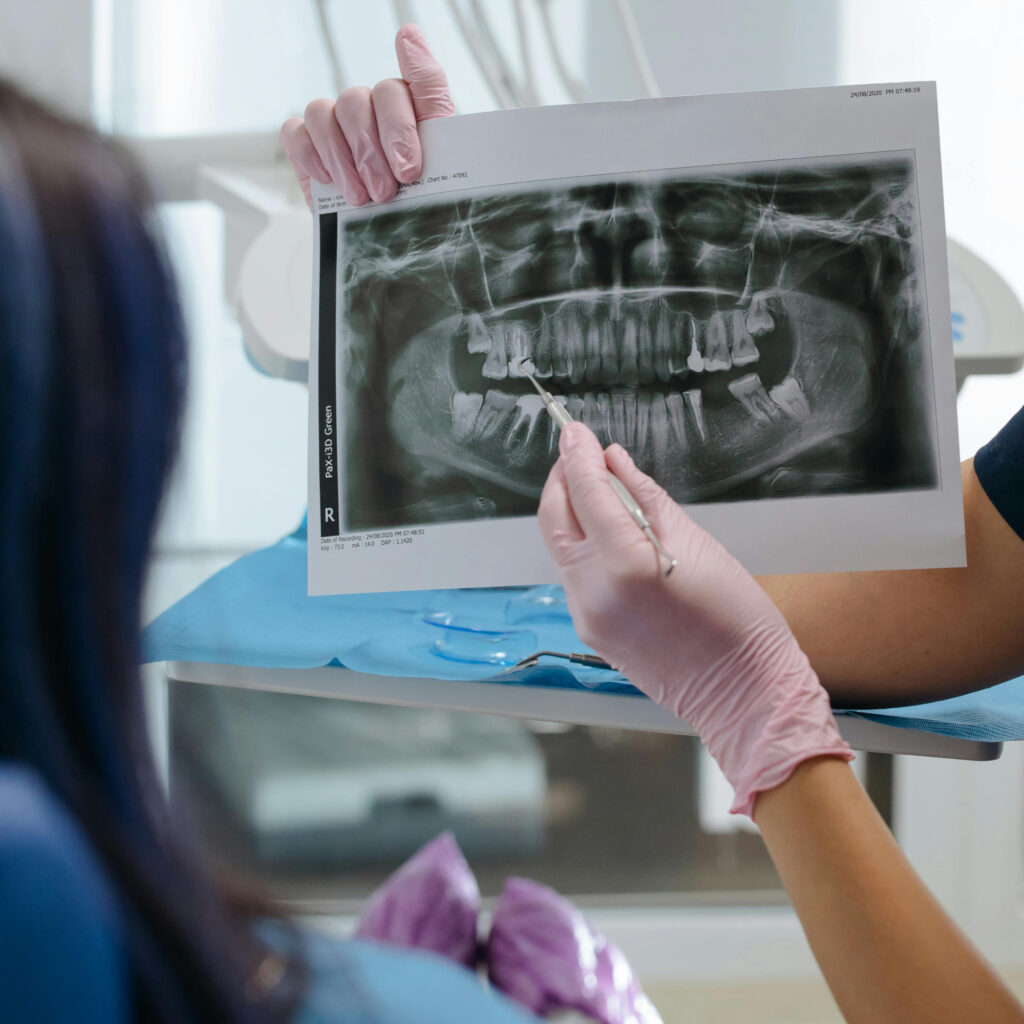
A bright smile gets attention, but a balanced smile earns trust. People notice symmetry before they consciously register tooth shade, surface texture, or the exact shape of the incisal edge. That is why veneers can be transformative in the right hands and disappointing in the wrong ones. The goal is rarely to make every tooth identical. The real goal is to create visual harmony, so the smile feels natural on the face, not pasted onto it.
In practice, smile symmetry is less about mathematical perfection and more about proportion, alignment, and how the teeth relate to the lips, gums, and facial midline. A patient may come in asking for whiter front teeth, but what bothers them in photos is often something else: one central incisor looks shorter, the gum line on one side rises higher, or the smile seems to tilt slightly when they laugh. Veneers can address many of these concerns, but only when the plan starts with balance.
What smile symmetry actually means
When patients hear the word symmetry, they often imagine mirror-image perfection. Teeth do not work that way, and they should not. Natural smiles have tiny differences. In fact, those small variations are part of what keeps a restoration from looking artificial. What matters is that the differences are controlled and pleasing.
For veneers, symmetry usually involves several visual relationships happening at once. The two upper central incisors carry the most weight because they sit at the center of the smile. If one is wider, longer, more rotated, or more prominent than the other, the eye picks it up immediately. Lateral incisors and canines matter too, but the standards are slightly more forgiving because they are less dominant in the smile frame.
There is also soft-tissue symmetry. If the gum line above one central incisor sits noticeably higher than the other, even beautiful veneers may still look off. Lip movement affects perception as well. Some patients show a lot of gum when they smile, which makes gingival contour crucial. Others have a low smile line, where small gum differences are less visible and enamel shape carries more of the burden.
Then there is the matter of the midline. The dental midline does not always have to match the facial midline perfectly, but obvious deviation can make the whole smile feel shifted. A slight discrepancy may be acceptable, especially if the face itself is not perfectly symmetrical, but it needs judgment. Good veneer design lives in that space between rules and reality.
Why balance matters more than brightness
Many cosmetic consults start with color. Patients bring photos of very white smiles they have seen online and ask whether veneers can achieve the same effect. The answer is often yes, but bright teeth cannot rescue poor proportions. If the front teeth are too square, too long, too bulky, or uneven at the edges, increasing brightness may actually make the imbalance more obvious.
A balanced smile tends to read as healthy, youthful, and believable. The eye moves smoothly from tooth to tooth. The central incisors feel coordinated, the laterals support rather than distract, and the canines anchor the smile without appearing heavy. Even if the shade is not the lightest on the chart, the result feels attractive because the composition works.
I have seen patients with relatively modest color changes look dramatically better after veneers because their old concerns were primarily about shape and alignment. One woman had one front tooth worn and shortened after years of grinding, plus a slightly chipped edge on the tooth next to it. She assumed she needed a much whiter smile. What made the biggest difference was reestablishing equal length, restoring the incisal line, and softening the asymmetry that showed every time she spoke. The final shade was natural, not stark, and her smile looked stronger because it looked coherent.
Veneers as a tool for visual correction
Veneers are uniquely useful because they can change several things at once. They can adjust color, alter width and length, disguise minor rotations, close small spaces, and refine the visible outline of the smile. In carefully selected cases, that combination makes them one of the most efficient ways to improve symmetry without full orthodontic treatment or extensive crowns.
That said, veneers are a finishing tool, not a magic eraser. They can camouflage mild discrepancies. They cannot safely solve every structural problem. If one tooth is significantly pushed out of position, if the bite is unstable, or if the gums are inflamed and uneven, placing veneers too early often creates compromises. The smile may look better in a static photo and still feel bulky, overcontoured, or difficult to clean.
The best veneer cases begin with a diagnosis that is broader than the front surface of the teeth. The dentist should be assessing tooth position, gum levels, bite forces, wear patterns, speech, and the way the lips frame the smile. Symmetry depends on all of those factors. When one of them is ignored, the restoration may look good only from one angle or only with the lips pulled back.
The central incisors set the tone
If there is one principle that repeatedly proves itself in cosmetic dentistry, it is this: the upper central incisors determine whether a smile looks settled. Their length, width, dominance, and relationship to each other https://www.google.com/maps?cid=11247861397590072761 create the visual center of gravity.
For most adults, a difference of even half a millimeter in the wrong place can be noticeable. Not in a technical, dentist-only sense, but in a way that makes the smile seem a little unsettled. One central incisor may catch light differently because it protrudes slightly more. One edge may sit lower. One may appear wider because of line angles, even if the measured width is close. Veneers can correct these subtleties beautifully, but only if the clinician understands optical illusion as well as tooth reduction.
This is where mock-ups and trial smiles are valuable. A wax-up or temporary mock-up lets the patient and dentist see whether equal numbers on paper actually look equal in the face. Sometimes the tooth that measures correctly still appears too dominant because the adjacent tooth is narrow or the arch form is asymmetric. The answer may not be to make both centrals larger. It may be to redistribute the visual weight across the four or six front teeth.
Gum symmetry is often the hidden issue
Patients are often surprised to learn that what they thought was a tooth problem is partly a gum problem. If one veneer is made longer to compensate for a high gum line, the tooth may end up looking oversized. If both teeth are made short to hide a discrepancy, the smile can lose youthful energy. The better approach may involve soft-tissue adjustment before veneers are finalized.
Minor gum recontouring can make a substantial difference when the asymmetry is limited and the biological dimensions are respected. In other cases, orthodontic movement or periodontal treatment may be needed first. This is not overcomplicating the case. It is preventing a common mistake, which is using restorative material to disguise an underlying tissue imbalance that remains visible.
A high-smile patient with uneven gingival margins will usually see that unevenness every day. A low-smile patient may not need any tissue correction at all. That is why photographs at rest, in speech, and in full smile matter so much. Symmetry is dynamic. It shows up differently when the face moves.
When veneers are the right answer, and when they are not
There are cases where veneers are ideal for smile symmetry. Mild size discrepancies, old bonding that has discolored unevenly, worn edges, small spaces, and slight rotations can all respond well. If the enamel is healthy and there is enough structure for conservative preparation, veneers can preserve more tooth than crowns while still delivering a major cosmetic improvement.
There are also cases where veneers alone are a poor shortcut. Severe crowding, major midline shifts, active gum disease, heavy bruxism without protection, and unstable bites deserve a more comprehensive plan. A patient may be tempted to skip orthodontics because it takes time, but adding bulk to crowded teeth just to make them appear straight often produces a smile that looks thick and opaque. It may photograph well from the front and fail from the side.
A practical example is the patient with one lateral incisor tucked behind the arch. If the displacement is slight, a veneer may camouflage it nicely. If the tooth is significantly lingual, restoring it into the ideal arch form can require overcontouring that traps plaque and looks unnatural near the gum. In that situation, a few months of aligners before veneers often leads to a cleaner, more stable, more symmetrical result.
The role of facial asymmetry
No face is perfectly symmetrical. One eye may sit slightly higher, the nose may deviate a little, the chin may be off center, and the lips may rise differently from side to side when smiling. Experienced cosmetic dentists plan around those realities rather than pretending they do not exist.
This matters because a smile that is technically centered to the dental arch can still look off if it fights the rest of the face. Sometimes the best-looking veneer case includes a tiny compromise that respects facial asymmetry. A dead-centered dental midline may not be the most flattering option if the philtrum, nose, and chin tell a different story. The objective is not to satisfy a ruler. The objective is to make the smile belong to the person.
Patients usually understand this quickly when shown side-by-side images or mock-ups. The more natural design often wins, even if it is not textbook perfect. Balance is not the same thing as rigid symmetry.
Shape, texture, and light reflection
Symmetry is influenced by more than dimensions. Surface texture and line angles control how broad or narrow a tooth appears. A flatter facial surface reflects light differently than a softly rounded one. Sharp line angles can make a tooth seem slimmer. Rounded transitions can make it appear fuller. These are small design decisions, but together they determine whether two veneers look coordinated.
This is one reason hand-layered or carefully characterized restorations often outperform generic, overly uniform veneers. A tooth that is too smooth and opaque can look wider and more artificial than a tooth of the same actual measurement. Likewise, two central incisors of equal length can appear unequal if the translucency pattern or incisal halo is mismatched.
Laboratory communication is critical here. Shade selection alone is not enough. The ceramist needs photographs, stump shade information when relevant, notes about texture, and a clear understanding of which asymmetries should be corrected and which subtle natural features should remain. Some of the best veneer results are not those that scream "cosmetic dentistry" from across the room. They are the ones that quietly remove distractions.
Why temporary veneers matter
Temporary restorations are often treated as a brief in-between phase, but for smile symmetry they can be one of the most useful diagnostic tools. They allow real-world testing. The patient can speak, smile, laugh, and live with the proposed shapes. Photos can be taken in daylight, office light, and evening settings. Small changes can be made before the final ceramics are fabricated.
This step catches issues that static planning sometimes misses. A central incisor that looked right on the model may feel too long when the patient says certain words. A canine may support the corner of the lip beautifully on one side and feel heavy on the other. A lateral incisor may need more softness in the distal edge to stop pulling attention. These refinements matter, particularly in the front six teeth where fractions of a millimeter alter the whole expression.
Patients who have never had cosmetic dentistry often do better when they are invited into this process. They may not know the language of embrasures, line angles, and gingival zeniths, but they know when their smile finally feels like them.
Longevity and the cost of getting it wrong
When veneer symmetry is planned well, the outcome tends to age better. The patient is less likely to fixate on one tooth, chase revisions, or request unnecessary changes that remove more enamel. A harmonious case often stays satisfying for years because it resolves the root visual imbalance rather than just masking one symptom.
When symmetry is handled poorly, the consequences are not only aesthetic. Overbuilt veneers can irritate gums. Bite interferences can cause chipping or debonding. Repeated remakes increase cost and reduce tooth structure over time. Cosmetic dentistry is one of the few areas where small design errors can have an outsized emotional impact. Patients see their smile in mirrors, photos, video calls, and conversations every day. If something feels off, they notice it constantly.
That is why the cheapest or fastest veneer option is often the most expensive in the long run. Smile design deserves planning, communication, and restraint. The best work is usually not aggressive work. It is thoughtful work.
What a careful veneer consultation should cover
A strong cosmetic consultation usually feels more investigative than promotional. The dentist should be studying the smile from multiple angles and asking what the patient actually notices in daily life. Sometimes the stated concern is "I want whiter teeth," but the real issue is that one front tooth turns in and catches shadow. Sometimes a patient says "my smile is crooked," when the larger problem is a gummy right side and edge wear on the left.
A useful discussion should include how much enamel is available, whether whitening should happen first, whether orthodontics would improve the foundation, and how the bite may affect veneer survival. It should also cover limitations. Veneers can create balance, but they cannot guarantee perfect symmetry in motion on an asymmetric face, nor should that be the promise.
Patients considering veneers for symmetry should leave the consultation understanding several practical points:
- The front teeth are designed as a group, not as isolated units.
- Gum position can be just as important as tooth shape.
- Sometimes a short phase of orthodontics improves the veneer result substantially.
- Temporaries or mock-ups help refine symmetry before final cementation.
- Night guards matter if grinding or clenching is part of the picture.
Those five points prevent a lot of disappointment. They also shift the conversation from "How white can you make them?" To "How natural and balanced can we make them?"
The most natural smiles are rarely the most obvious
The public image of veneers has changed over the years. Some patients still think of them as uniformly white, flat, and square. Others assume they can fix any smile instantly. Both views miss the nuance. Modern veneers can be conservative, expressive, and remarkably lifelike, but only when they are used to support facial harmony rather than overpower it.
The strongest cosmetic results often look almost unremarkable at first glance. That is a compliment. People may say the patient looks refreshed, polished, or more confident without immediately identifying why. The smile feels even. The teeth look as though they belong together. The visual noise is gone.
That is what balance does. It removes the small inconsistencies that pull attention away from the person. It lets the smile support the face rather than dominate it.
A final word on judgment
Veneers are not simply about making teeth prettier. They are about orchestrating proportion across hard tissue, soft tissue, facial anatomy, and function. Smile symmetry is where cosmetic dentistry stops being a commodity and starts becoming a craft. Shade tabs and digital scans are useful tools, but judgment is what turns them into a result that still looks good after the novelty fades.
For patients, that means choosing a clinician who talks about the whole smile, not just the porcelain. For dentists, it means resisting the temptation to rush into preparation before the diagnosis is complete. And for anyone considering veneers, it is worth remembering that the most attractive smiles are not usually the brightest or the most perfectly matched by measurement. They are the ones that feel balanced, stable, and human.
When veneers are used with that standard in mind, symmetry stops being a technical term. It becomes the reason a smile looks effortless.
Oaks Dental
Address: 5000 Parkway Calabasas Ste 308, Calabasas, CA 91302
Phone number: +18184312000
FAQ About Veneers
How much do veneers actually cost?
The cost of dental veneers typically ranges from $250 to $2,500 per tooth, with a full smile transformation averaging anywhere from $6,000 to $20,000 depending on the material you choose. Because veneers are classified as a elective cosmetic procedure, dental insurance almost never covers them.
What is the downside of having veneers?
The main downside of dental veneers is that the process is permanent and irreversible, as a dentist must shave off a thin layer of natural tooth enamel. Other major drawbacks include increased tooth sensitivity, high financial costs, and the need to replace them every 10 to 15 years.
What happens to the teeth under veneers?
When you get veneers, a dentist shaves off a thin layer of your natural tooth enamel (about 0.3 to 0.7 millimeters). The living tooth stays intact underneath, but losing this outer layer is permanent. The tooth relies on the veneer shell for lifelong protection and cannot be left bare.