Wisdom Teeth Removal in Oxnard CA: A Parent’s Guide to Teen Treatment
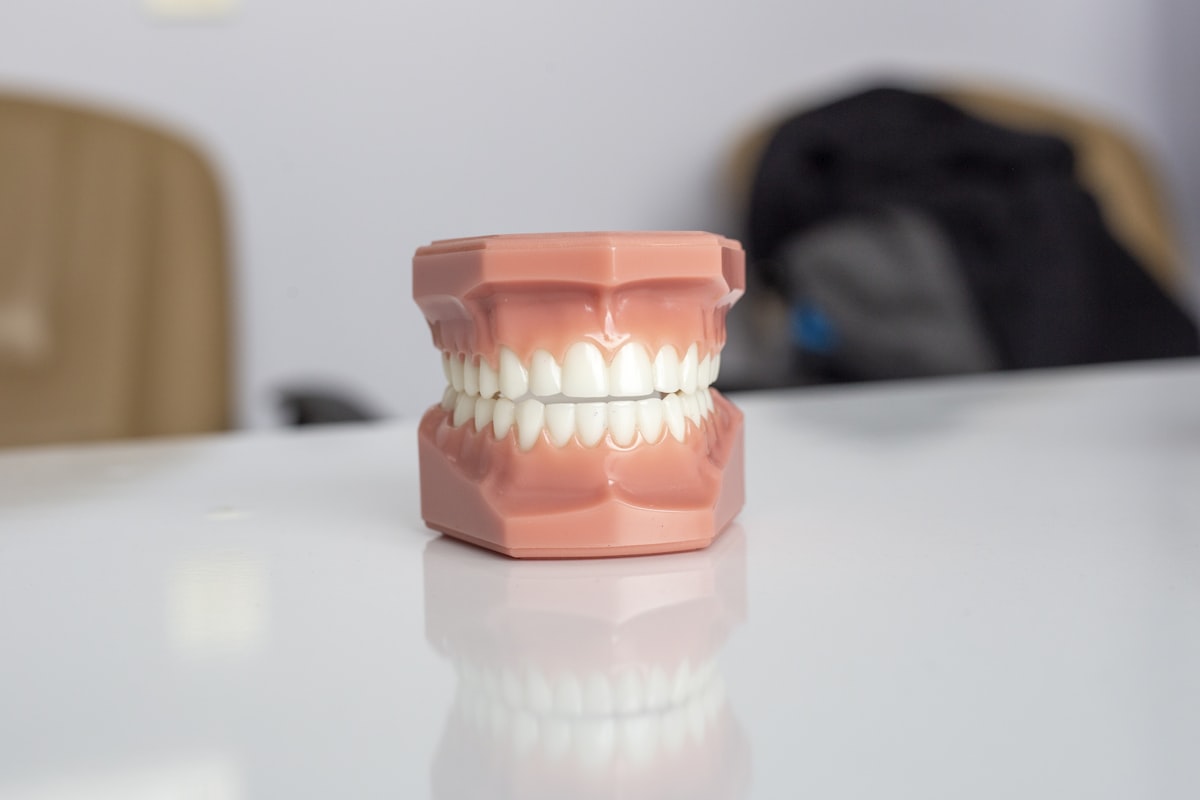
For many families, wisdom teeth become a topic somewhere between a teenager’s driver’s license and high school graduation. It often starts with a routine dental visit, a panoramic X-ray, and a dentist saying something that sounds both ordinary and alarming: these teeth should probably come out before they cause trouble.
Parents in Oxnard hear this every day, and the recommendation is common for a reason. Wisdom teeth, also called third molars, are the last permanent teeth to develop. They usually appear in the mid-teen years to early twenties, which means they often arrive when the rest of the mouth is already full. Sometimes they erupt normally and never cause a problem. Just as often, they come in at an angle, stay trapped under the gums, crowd neighboring teeth, or create pockets where food and bacteria collect.
If you are sorting through appointments, opinions, costs, and your teen’s nerves, it helps to know what actually matters. A calm, informed approach makes the process far easier for everyone involved.
Why wisdom teeth are often removed during the teen years
Timing is one of the biggest reasons oral surgeons and dentists bring up wisdom teeth before there is active pain. In teenagers, the roots may still be forming and the surrounding bone is generally less dense than it will be in adulthood. That usually makes removal more straightforward and recovery a bit easier.
Parents sometimes ask a fair question: if the teeth do not hurt, why not leave them alone? The answer depends on the position of the teeth and the space available. A wisdom tooth can be a problem long before it causes obvious symptoms. I have seen teens with no pain at all whose X-rays showed a lower wisdom tooth pushing hard against the second molar in front of it. In that situation, waiting does not always help. It can increase the risk of decay, gum inflammation, or damage to the healthy tooth next to it.
There is also a practical side to timing. Removing wisdom teeth during the school year can be inconvenient, but waiting until college, sports season, or a new job can be worse. Many families in Oxnard choose winter break, spring break, or early summer because it gives a teen a few quiet days to recover without scrambling to catch up on exams or team commitments.
That said, not every teenager needs immediate extraction. Some wisdom teeth erupt normally, remain easy to clean, and can be monitored with periodic X-rays. A good surgeon should explain not just what they recommend, but why they recommend it now rather than later.
What “impacted” really means
The word impacted gets used so often that it can sound more dramatic than it is. In simple terms, an impacted wisdom tooth is one that does not have a clear path to erupt into a normal position. It might be completely trapped under the gum and bone, partly erupted through the gums, or angled sideways.
A partially erupted wisdom tooth tends to create a special kind of frustration. The visible part may look small, but the flap of gum around it can trap food, swell, and become tender. Teens describe it as soreness in the very back of the mouth, trouble chewing on one side, bad taste, or occasional jaw stiffness. Parents may notice their child avoiding crunchy foods or brushing less thoroughly in that area because it hurts.
Fully impacted teeth can stay quiet for years, but they are not always harmless. Their position on the X-ray matters. Some sit far from neighboring roots and can simply be observed. Others press forward, sit close to a nerve canal, or develop a sac around the crown that deserves attention. This is where professional judgment matters more than broad internet advice.
Signs your teen may be heading toward trouble
Not every wisdom tooth problem is dramatic. More often, symptoms come and go. A teen may say the back of the jaw aches for a few days and then feels fine. Gums may swell and settle down. One side may be more tender than the other. These intermittent symptoms are easy to dismiss, especially during a busy school year.
Certain patterns deserve a closer look. Repeated soreness near the back molars, swelling of the gums behind the second molars, difficulty fully opening the mouth, pressure against other teeth, and unexplained bad breath can all point to developing issues. Headaches and ear-area discomfort are sometimes blamed on wisdom teeth too, though those symptoms can have many causes and need a proper exam rather than guesswork.
Some parents first hear about a problem from the orthodontist. If your teen had braces, the concern is not usually that wisdom teeth alone will ruin the orthodontic result. That idea gets overstated. Still, impacted third molars can complicate hygiene and create pressure in an already crowded area. Orthodontists and surgeons often coordinate on timing because they are looking at the same limited real estate from different angles.
The first consultation, what to expect
A wisdom tooth consultation is usually efficient, but it should not feel rushed. The clinician will review X-rays, examine your teen’s mouth, ask about symptoms, and talk through the position of each third molar. In many cases, all four teeth are discussed separately because they are not always in the same situation. A teen may have two lower teeth that clearly need removal and two upper teeth that are simple or already partially erupted.
This is also the time to talk about medical history, medications, allergies, asthma, bleeding issues, and past experiences with anesthesia. If your teen has significant anxiety, say so plainly. It matters. The right team will not treat that as a side issue. They will use it to help tailor the plan.
If you are evaluating options for Wisdom Teeth Removal Oxnard CA, do not focus only on convenience or price. Look closely at how clearly the office explains findings, risks, sedation choices, and aftercare. Parents usually know within a few minutes whether they are dealing with a team that talks to them or talks past them.
Questions worth asking before you schedule
A short list of thoughtful questions can tell you a lot about an office and help you compare recommendations without getting lost in jargon.
- Are all of the wisdom teeth causing the same level of concern, or are some optional to remove now?
- What type of anesthesia or sedation do you recommend for my teen, and why?
- How many recovery days should we realistically plan for?
- What are the main risks in this specific case, based on the X-rays?
- Who do we call after hours if pain, swelling, or bleeding seems unusual?
Those questions often lead to better conversations than asking whether the procedure is “safe,” because safety depends on the details of the case, the teen’s health history, and the practice’s protocols.
Sedation and anesthesia, what parents should understand
This is often the part parents worry about most, especially if their child has never had surgery. The good news is that wisdom tooth removal is one of the most routine oral surgery procedures performed in otherwise healthy teens and young adults. Even so, routine does not mean casual. Sedation planning deserves care.
Depending on the situation, removal may be done with local anesthesia alone, local anesthesia plus nitrous oxide, or a deeper level of sedation administered by a trained provider. The recommendation usually depends on the position of the teeth, the expected difficulty of the extraction, your teen’s anxiety level, and medical considerations.
Many teens do best with sedation because it reduces stress, limits awareness of the procedure, and allows the surgeon to work efficiently. For an uncomplicated erupted tooth, local anesthesia may be enough. For four impacted wisdom teeth in a nervous sixteen-year-old, most families prefer a deeper level of sedation.
Parents should expect clear instructions ahead of time, especially about eating and drinking before the appointment. Those rules are there for a reason. Breaking them can force rescheduling on the day of surgery, which is disappointing and avoidable. Your teen may be annoyed about fasting, but it is nonnegotiable.
It also helps to prepare them for the emotional side of sedation. Some teens are stoic until the morning of surgery and then suddenly frightened. Others act completely relaxed and start panicking in the chair. Both reactions are normal. A calm adult presence, a predictable routine, and an office that handles teens regularly can make a noticeable difference.
The day of surgery, a realistic picture
Families often imagine either a major operation or something almost trivial. The truth sits in the middle. Most wisdom tooth procedures move quickly, but the day still takes planning.
You will want a responsible adult present, transportation arranged, prescriptions filled if the office recommends doing that in advance, and the recovery space ready at home. A couch, extra pillows, ice packs, water, gauze, and soft foods go a long way. If your teen has younger siblings, it can help to lower the household noise level for the afternoon. Recovery is smoother when the patient can simply rest without a lot of stimulation.
After the procedure, expect grogginess, numbness, mild oozing, and a puffy face by the end of the day. Some teens are chatty and silly after sedation. Others sleep most of the afternoon. Neither means anything is wrong. The main job for parents is not to interrogate them about pain every ten minutes. It is to keep the schedule steady with fluids, medications exactly as directed, gauze changes if needed, and simple rest.
A practical point many families appreciate hearing in advance: if your teen wears contact lenses, remove them before the appointment. If they have a retainer, ask whether it should come to the office and whether they should avoid wearing it during early healing.
Recovery at home, where most of the real work happens
The first seventy-two hours usually matter more than the surgery itself from the family’s perspective. Good recovery tends to be uneventful, which is exactly what you want. Teens generally feel the most swollen on day two or three, not necessarily the first evening. That catches some parents off guard. A puffier face the next morning is common and not by itself a sign of trouble.
Pain control varies. Some teens need only over the counter medications as directed by their surgeon. Others need something stronger for a short window. The best outcomes usually come from staying ahead of pain rather than waiting until it spikes. Hydration matters just as much. A dehydrated teenager who has barely eaten and slept poorly will feel miserable even if the surgery itself went perfectly.
Soft foods help, but soft does not have to mean joyless. Yogurt, smoothies eaten with a spoon, applesauce, scrambled eggs, mashed potatoes, oatmeal once things are settling, and soups that are warm rather than hot all tend to work well. Most teens are hungry sooner than parents expect, but chewing aggressively on the surgical sites is another story. It is smart to let appetite return in stages.
Parents also worry about oral hygiene. You do want the mouth clean, but early care should be gentle. Follow the office instructions exactly. Usually that means avoiding vigorous rinsing at first, then introducing careful rinses later, along with light brushing that avoids disturbing the extraction sites.
Here is the home care checklist most parents actually find useful:
- Keep your teen hydrated, even small frequent sips help.
- Use medications on the schedule provided, not by guesswork.
- Apply ice during the early period if your surgeon recommends it.
- Encourage rest, with the head slightly elevated.
- Watch for the specific warning signs your surgeon reviewed, especially worsening pain, heavy bleeding, fever, or trouble swallowing.
That is enough structure without turning recovery into an all-day medical event.
Normal discomfort versus signs you should call about
This distinction matters because the internet is full of extreme stories. Mild bleeding or pink saliva on the first day can be normal. So can jaw soreness, limited opening, a sore throat from keeping the mouth open during surgery, and swelling that peaks after the first day. Some bruising on the cheeks is also possible, especially in fair-skinned patients.
When should you call? Heavy bleeding that does not https://troylzko728.lumenforgex.com/posts/understanding-impacted-molars-and-wisdom-teeth-removal-in-oxnard-ca improve with proper gauze pressure deserves attention. So does severe pain that gets significantly worse after initially improving, especially several days in. That pattern can suggest a dry socket, which is painful but treatable. A foul taste with worsening symptoms, fever, or swelling that seems to keep accelerating rather than plateauing should also prompt a call. Difficulty breathing or swallowing is urgent and should never be brushed off.
Most parents are relieved to learn that many “emergencies” turn out to be manageable once they speak with the office. Often the fix is as simple as adjusting gauze technique, improving hydration, or clarifying the pain medication schedule.
School, sports, and the social calendar
Teen recovery is not only a medical issue. It is a scheduling issue. This is where parent judgment often matters more than any printed instruction sheet.
For school, many teens need at least one full day after surgery and often a bit longer depending on sedation, swelling, and pain control. Returning too early is usually not dangerous, just uncomfortable and unnecessary. A student with a swollen jaw, poor sleep, and limited eating is not in ideal shape for a chemistry exam.
Sports require more caution. Contact sports, heavy lifting, and intense conditioning can increase bleeding and throbbing during the early healing period. Coaches do not always appreciate that “oral surgery” is still surgery. If your teen is in season, ask the surgeon for a realistic timeline specific to the procedure and your child’s sport.
Then there is the social side. Many teens care less about pain than about looking swollen in public. That concern is not shallow, it is normal. If there is a prom, senior photo session, tournament, audition, or graduation event on the calendar, work backward before scheduling. A few days can make a big difference in swelling and comfort.
Costs, insurance, and why estimates can vary
Parents are often surprised by how much fee variation exists between cases that sound similar. Wisdom tooth removal is not one flat service. Costs can differ based on whether the tooth is erupted or impacted, whether bone removal is required, what type of imaging is needed, what form of sedation is used, and whether the surgeon anticipates added complexity.
Dental insurance may cover part of the treatment, but plans vary widely. Some cover extractions well and sedation poorly. Others have annual maximums that do not go far once imaging, surgery, and anesthesia are combined. That does not necessarily mean a higher estimate is inflated. It may reflect the actual complexity of the case or a broader scope of services included.
The best financial conversations happen before the day of surgery. Ask for a written estimate, what insurance is expected to cover, what could change that estimate, and whether there are payment options. Parents usually feel far less stressed when the financial piece is transparent from the start.
Choosing the right provider in Oxnard
A teenager having wisdom teeth removed does not need a luxury experience. They need competence, communication, and a team that deals with this age group all the time. In a community like Oxnard, families often begin with referrals from their general dentist, orthodontist, pediatric dentist, or friends whose older kids have already been through it.
Experience matters, but so does the quality of explanation. A surgeon who can point to the X-ray and explain why one lower tooth is near the nerve canal in plain language is doing more than marketing expertise. They are helping you make an informed decision. Office systems matter too. Are pre-op instructions clear? Is the staff organized? Does someone answer postoperative questions promptly? Those details shape the family’s experience more than the waiting room décor ever will.
For parents searching specifically for Wisdom Teeth Removal Oxnard CA, a local office can also make follow-up easier. That may sound minor on the day you book the consultation, but it feels major if your teen needs a quick postoperative check or develops concerns over a long weekend.
When a second opinion makes sense
Second opinions are not a sign of distrust. They are useful when recommendations differ, when your teen has an unusual medical history, when imaging suggests close nerve proximity, or when the explanation you received felt vague. They are also reasonable if someone recommends immediate surgery but your teen has no symptoms and the rationale is unclear.
What you want in a second opinion is not a provider who tells you what you hope to hear. You want a provider who gives a defensible explanation. Sometimes two thoughtful clinicians will recommend slightly different timelines while agreeing on the bigger picture. That is not a red flag. Medicine and dentistry involve judgment, not just rules.
Helping your teen handle the emotional side
Parents tend to focus on logistics and underestimate the emotional load. Even confident teenagers can feel rattled by the idea of surgery, needles, sedation, swelling, or simply losing control for a few hours. The best support is usually matter-of-fact rather than dramatic.
Avoid telling horror stories, even jokingly. Avoid promising there will be “zero pain,” because that can backfire. A better approach is to tell the truth in calm terms: it is a common procedure, the team does this regularly, there will be a few uncomfortable days, and you will help them through it. Teenagers respond well when adults treat them as capable without pretending the experience is nothing.
Some parents make the mistake of asking too many anxious questions in front of the teen, which can raise the temperature in the room. Save the detailed risk conversation for the right moment, and then present the plan to your child in a way that is reassuring and clear.
The goal is not just extraction, it is a smooth recovery
When wisdom teeth are removed at the right time, for the right reasons, with good planning, most teens do very well. The procedure itself is often the shortest part of the experience. What families remember is whether they felt informed, whether the recovery was manageable, and whether their teen was back to normal on schedule.
That is the standard parents should aim for. Not a sales pitch, not a rushed decision, not a worst-case scenario borrowed from someone else’s story. Just careful evaluation, honest communication, and practical follow-through. If you approach Wisdom Teeth Removal Oxnard CA with those priorities, the process becomes much less intimidating and far more predictable.
Oxnard Dentistry
1730 E Gonzales Rd
Oxnard, CA 93036, United States
Phone: +1 805-307-8731
FAQ About Wisdom Teeth Removal Oxnard CA
How much does it cost to get wisdom teeth removed in California?
Fees depend on tooth position, the number of extractions, imaging and anesthesia. Oxnard Dentistry can provide an individual estimate after examining your teeth. Ask for an itemized plan and confirm insurance benefits before scheduling.
Will insurance cover wisdom teeth removal?
Coverage and out-of-pocket costs vary by policy and the treatment required. Ask the dental office and your insurer to verify benefits, annual limits and any authorization requirements. A benefit estimate does not guarantee payment.
Is 30 too old to have wisdom teeth removed?
Age alone does not determine whether extraction is appropriate. A dentist evaluates symptoms, tooth position, oral health and medical history. Healthy, functional wisdom teeth may be monitored; teeth causing disease or other problems may need treatment.